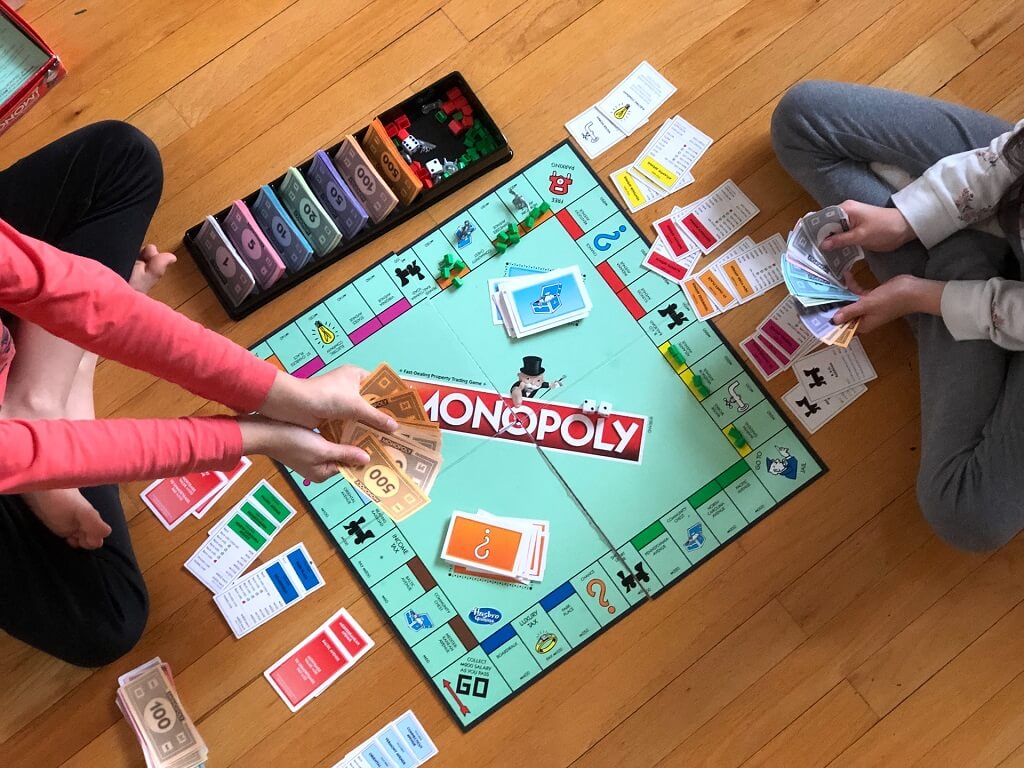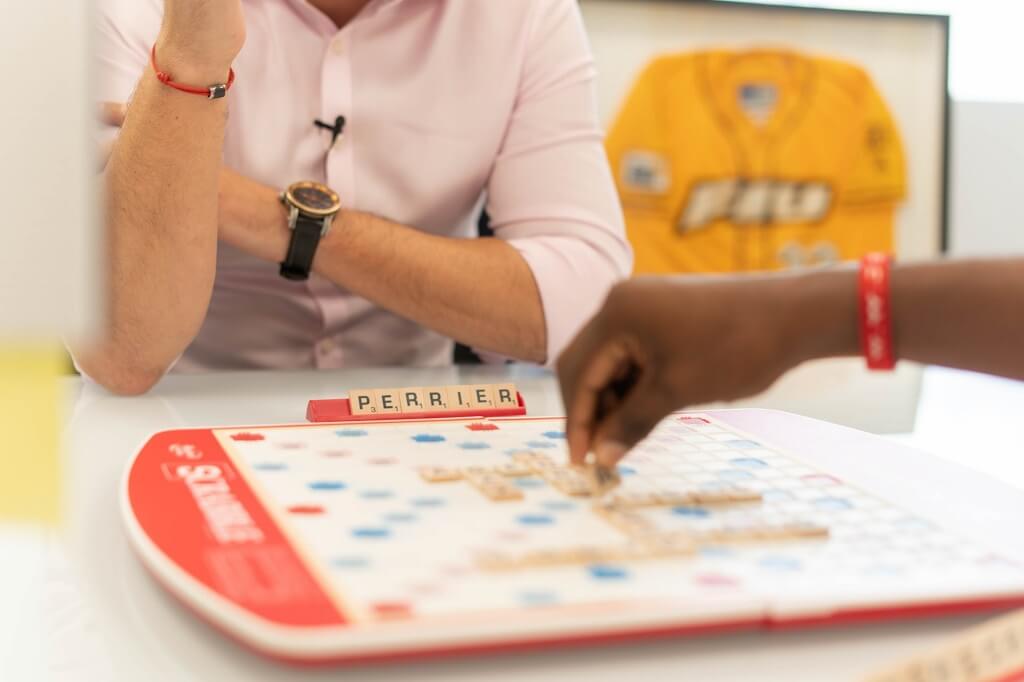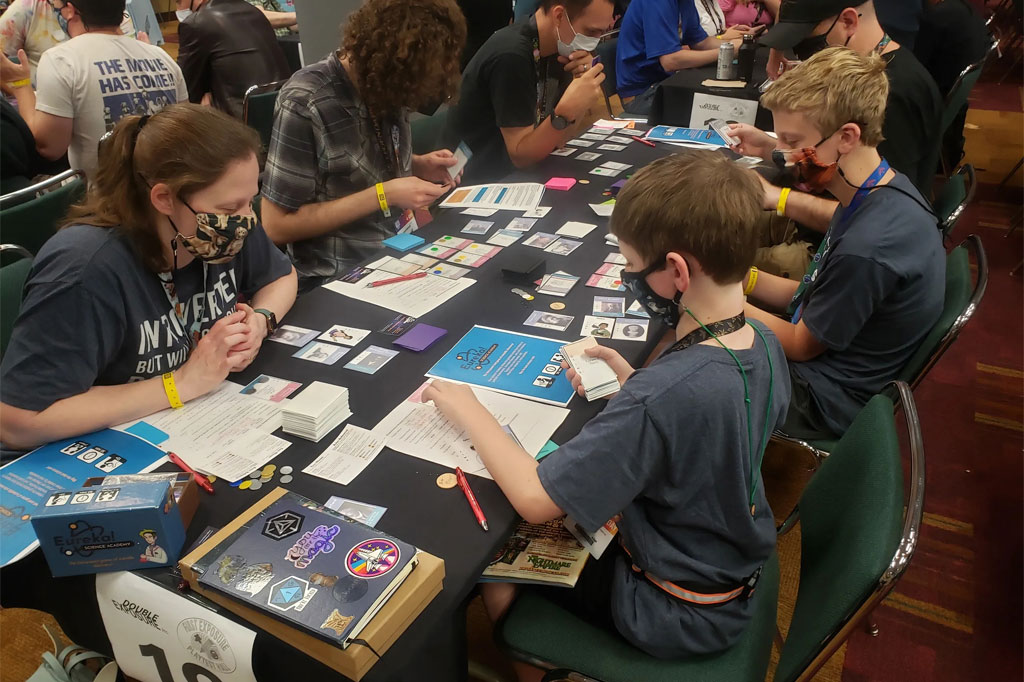
Playtesting ensures that your board game is balanced, engaging, and free of ambiguities or confusing mechanics.
However, finding reliable board game playtesters can be challenging, especially for new designers without an established network.
1. Understand the Role of Playtesters
Playtesters are individuals who interact with your game to provide feedback on gameplay, mechanics, rules clarity, component quality, and overall enjoyment. Their insights help you identify issues that may not be apparent to the designer and guide improvements that enhance the player experience.
Playtesters can range from casual gamers to hardcore enthusiasts, and the ideal group often includes a mix of both.
2. Start with Friends and Family
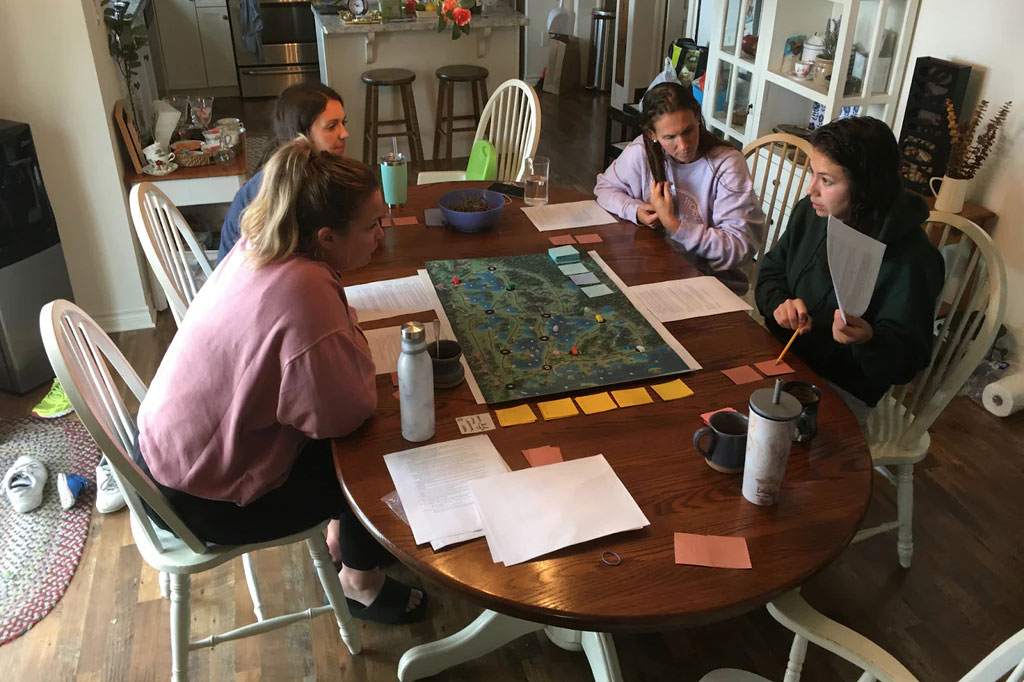
For first-time designers, friends and family are often the easiest group to approach. They may be willing to invest their time and provide feedback, even if they aren’t seasoned board gamers. While feedback from this group may not always be highly technical, it can reveal basic flaws or confusing rules.
Moreover, their willingness to play can help you refine the rules and mechanics before moving on to more experienced testers.
Tips for testing with friends and family:
- Prepare clear instructions or a simplified rule sheet.
- Observe their gameplay silently at first to see how intuitive your game is.
- Encourage honest feedback, even if it’s critical.
- Take notes during or after the session.
3. Utilize Local Board Game Communities
Board game enthusiasts often gather in clubs, cafés, and local hobby shops. These communities are a goldmine for finding playtesters who are passionate about games and understand game mechanics.
Approaching these groups requires tact: don’t just hand over a prototype and expect full feedback. Instead, engage with the community first and build relationships.
How to leverage local communities:
- Attend board game meetups or events.
- Offer to run demo games or short sessions at local hobby stores.
- Connect with game nights or board game clubs at libraries, universities, or community centers.
- Post flyers or announcements in local game stores requesting playtesters.
4. Online Board Game Communities
The internet has made it easier than ever to find playtesters. Online communities dedicated to board games can connect you with players worldwide.
Platforms such as BoardGameGeek (BGG) have dedicated forums where designers can solicit playtesters.
Reddit also hosts several board game-related communities (e.g., r/boardgames, r/tabletopgamedesign) where designers can reach an engaged audience.
Best practices for online playtesting:
- Be clear about your expectations and the type of feedback you need.
- Provide digital or printable versions of your game.
- Set up structured feedback forms to capture detailed insights.
- Consider offering incentives, like early access or credit in the final game.
5. Attend Board Game Conventions
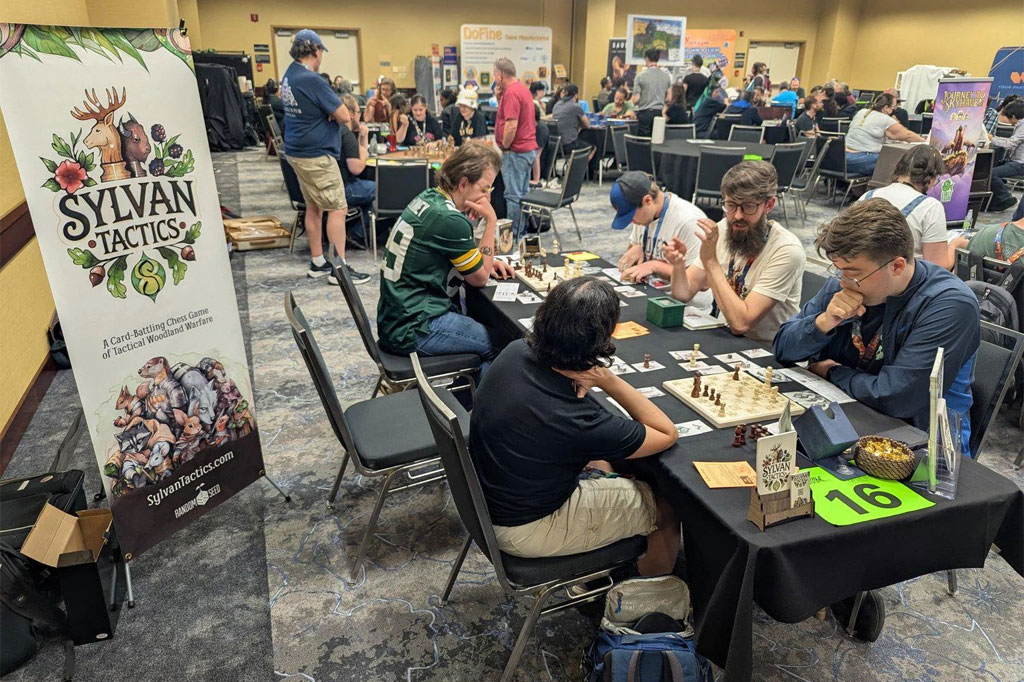
Board game conventions are excellent venues to find enthusiastic playtesters. Conventions often attract both casual and serious gamers, making it possible to get diverse feedback.
Many conventions have areas specifically for playtesting prototypes, giving you access to people actively seeking new games to try.
Tips for convention playtesting:
- Prepare a polished prototype that is easy to set up.
- Offer clear instructions and rulebooks.
- Encourage testers to provide feedback.
- Network with other designers; they may refer playtesters or share best practices.
6. Collaborate with Game Designers
Building relationships with other designers can provide access to experienced playtesters. Designers often share networks or participate in playtesting exchanges.
By collaborating, you can reach testers who understand game design principles and can provide in-depth feedback.
Ways to collaborate:
- Join online design groups or forums for designers.
- Participate in design challenges or jams.
- Playtest other designers’ games and receive feedback on your own in return.
- Share experiences and lessons learned through social media or blogs to build credibility.
7. Use Social Media
Use social media platforms to find playtesters. Many groups are dedicated to tabletop gaming, where you can post calls for testers.
Social media allows you to reach people outside your immediate geographic area, and you can even target specific types of players.
Social media strategies:
- Join dedicated tabletop gaming groups.
- Post visually appealing content about your game to attract attention.
- Offer digital downloads for remote playtesting.
- Engage with commenters and respond to questions promptly.
8. Offer Incentives
Sometimes, playtesters need motivation to dedicate their time. Incentives don’t have to be monetary; they can be fun, creative, and engaging.
Offering a small reward can encourage thoughtful feedback and make playtesting sessions more enjoyable for testers.
Examples of incentives:
- Credit your playtesters in the final game.
- Offer free or discounted copies of the finished game.
- Provide small merchandise or game-related items.
- Run competitions or giveaways for active testers.
9. Structured Playtesting
Once you’ve identified potential playtesters, it’s important to structure the sessions. Structured playtesting ensures that you get actionable feedback rather than vague impressions.
This involves preparing rules, providing a brief introduction, and having a system to capture comments.
Key points for structured playtesting:
- Prepare a feedback form with specific questions about gameplay, balance, rules, and enjoyment.
- Observe players silently first, then discuss observations.
- Encourage testers to think aloud, sharing their thought process.
- Conduct multiple sessions with different groups to get diverse perspectives.
10. Iterate and Build a Tester Network
Finding playtesters is not a one-time effort. Board game design is iterative, and multiple rounds of testing are necessary to refine the game.
As you gain experience, you can build a network of reliable testers who understand your style and can provide consistent feedback.
Building a long-term network:
- Keep in touch with testers after sessions.
- Ask if they’re willing to test future games.
- Maintain an organized database of contacts and preferences.
- Thank testers for their time and contributions to build loyalty.