Creating the right atmosphere in a horror board game isn’t just about dark artwork or creepy storylines; it’s a deliberate design process that engages players’ senses, emotions, and expectations.
In this article, we explore how to craft a truly immersive horror experience through thoughtful design choices.
Table of Contents
1. Understanding the Importance of Atmosphere in Horror Games
In horror-themed board games, atmosphere is the invisible thread that ties together the narrative, mechanics, and player experience. It transforms gameplay from a series of moves and dice rolls into a tense, suspenseful, and emotionally engaging journey.
A strong atmosphere can make players feel vulnerable, anxious, or on edge, which enhances the thrill of encountering monsters, traps, or unknown events. Without atmosphere, even the most well-designed horror board game can feel flat, failing to elicit the emotional reactions players expect.
Atmosphere works hand in hand with tension and narrative. While mechanics dictate what players can do, atmosphere shapes how they feel when they make decisions. Designers craft a memorable and emotionally resonant experience by fully immersing players in the game world, leaving a lasting impression long after play ends.
2. Visual Design
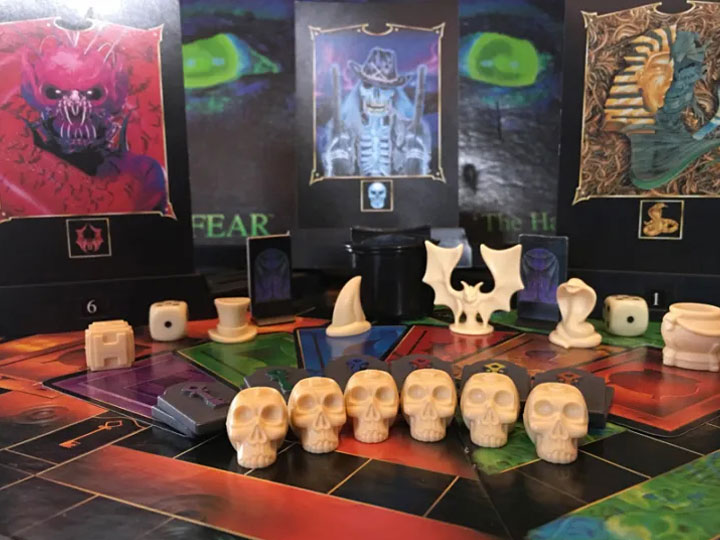
Visual design is often the first element players notice, and it plays a critical role in establishing a horror atmosphere. This includes the game board, cards, tokens, miniatures, and overall graphic style.
Here’s how designers can use visual design effectively:
- Color Palette: Dark and muted colors, such as deep reds, blacks, grays, and murky greens, evoke a sense of dread. Occasional splashes of bright colors, like blood-red, can draw attention to danger or critical moments.
- Illustration Style: Gothic, sketchy, or realistic artwork enhances the eerie mood. Stylized or abstract designs can also work, depending on the type of horror (psychological, supernatural, or grotesque).
- Miniatures and Components: Detailed miniatures of monsters, haunted locations, or cursed objects can make encounters more tangible. Tokens and cards with thematic designs reinforce immersion.
- Board Layout: An ominous, maze-like, or fragmented board layout can make players feel lost or trapped, amplifying suspense.
Consistency across all visual elements is key. A mix of cartoonish and hyper-realistic styles may disrupt the mood and weaken the horror experience.
3. Audio and Ambience
Though traditional board games are silent, integrating audio cues or encouraging ambient sounds can dramatically enhance the atmosphere.
Designers can suggest soundtracks or ambient effects to players for heightened immersion:
- Background Music: Slow, suspenseful music or soundscapes with whispers, distant footsteps, or creaking doors can create tension.
- Sound Effects: Triggered by specific cards, actions, or events, sound effects like howling, breaking glass, or monster growls intensify critical moments.
- Player-Driven Sounds: Even simple instructions like “close your eyes for a turn” or “whisper your next move” can add auditory tension and suspense.
Audio doesn’t need to be mandatory, but offering optional resources can enhance the experience for players who want deeper immersion.
4. Narrative and Storytelling
A compelling story forms the backbone of a horror board game. Strong narratives make players emotionally invested and heighten fear of the unknown.
Here are essential narrative techniques:
- Mystery and Uncertainty: Keep players guessing. Unknown threats, hidden objectives, or incomplete information about the game world amplify tension.
- Character Backstories: Deep, flawed characters make decisions feel weighty. Fear is more effective when players care about what happens to their character.
- Event Cards and Plot Twists: Randomized events, sudden monster attacks, or escalating danger ensure players never feel fully safe.
- Thematic Text: Flavor text on cards, boards, and rulebooks can enhance the storytelling. Short, eerie snippets of lore or warnings increase immersion.
The story should be closely tied to game mechanics so that players’ actions influence the narrative. This synergy between story and gameplay deepens emotional impact.
5. Mechanics that Build Tension
Mechanics themselves can reinforce atmosphere, especially in horror games where uncertainty, resource scarcity, and risk drive fear.
Designers can create tension through:
- Time Pressure: Turn limits, countdowns, or looming events force quick decisions under stress.
- Randomized Threats: Dice rolls, shuffled encounter cards, or randomized monster movements keep players on edge.
- Limited Resources: Scarce ammunition, health points, or tools make every choice meaningful and increase the feeling of vulnerability.
- Hidden Information: Fog of war, hidden roles, or secret objectives create mistrust and anxiety.
- Player Interaction: Cooperative games with traitors, hidden agendas, or competitive survival elements heighten suspense and paranoia.
When mechanics evoke fear, every player’s decision becomes a potential source of tension, enhancing the overall horror atmosphere.
6. Environmental Factors
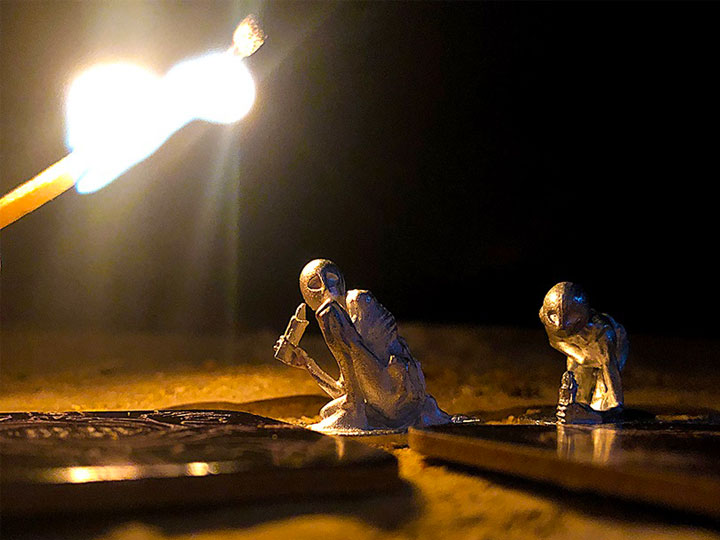
The physical environment in which players play also affects immersion.
Designers can suggest ways to manipulate lighting, space, and player behavior:
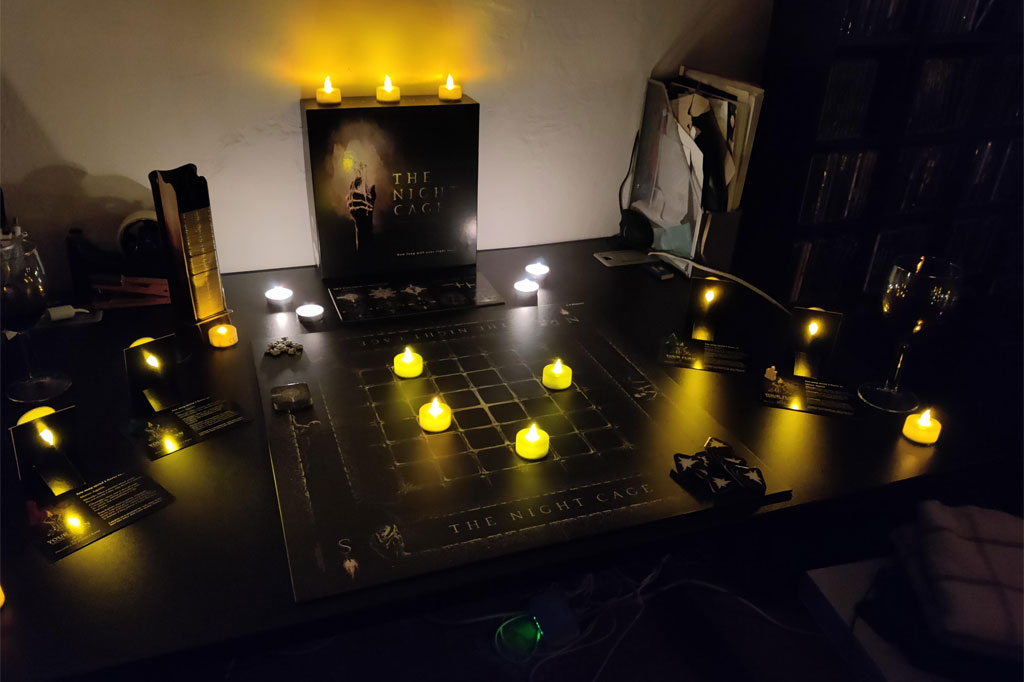
- Lighting: Dim lighting or candlelight can enhance eerie visuals and increase suspense.
- Play Area Setup: Small, cluttered, or enclosed table spaces mimic claustrophobia or confinement.
- Player Conduct: Encouraging silence, whispered communication, or dramatic reactions can deepen immersion.
Even small environmental tweaks, such as playing at night or in a quiet room, can make a horror board game significantly more intense.
7. Pacing and Escalation
Horror thrives on pacing. Gradual tension that escalates to terrifying climaxes keeps players engaged and emotionally invested:
- Slow Build-Up: Introduce minor threats before escalating to major dangers.
- Climactic Moments: Use peak encounters, sudden twists, or boss monsters to create adrenaline-filled peaks.
- Resolution: Give players a sense of release or catharsis at the end, but leave lingering unease to maintain the horror effect.
Balancing suspense and relief ensures the game remains intense without becoming overwhelming.
8. Testing and Iteration
Creating a horror atmosphere requires feedback and iteration. Playtesting is critical to understanding whether players feel tension, fear, and suspense:
- Observe Reactions: Watch how players respond to scares, pacing, and mechanics.
- Adjust Mechanics: Modify dice rolls, encounter rates, or resource scarcity based on player feedback.
- Refine Narrative: Enhance or trim story elements to maintain immersion without slowing gameplay.
Iterative refinement ensures that every component, from visuals to mechanics, works together to evoke the desired emotional response.