Language and literacy development thrive when learning is active, engaging, and meaningful. One increasingly popular tool in classrooms, tutoring sessions, and homes is the custom vocabulary card game.
By combining play with purposeful language practice, these games help learners of all ages expand vocabulary, strengthen reading skills, and build confidence in communication.
Table of Contents
What Are Custom Vocabulary Card Games?
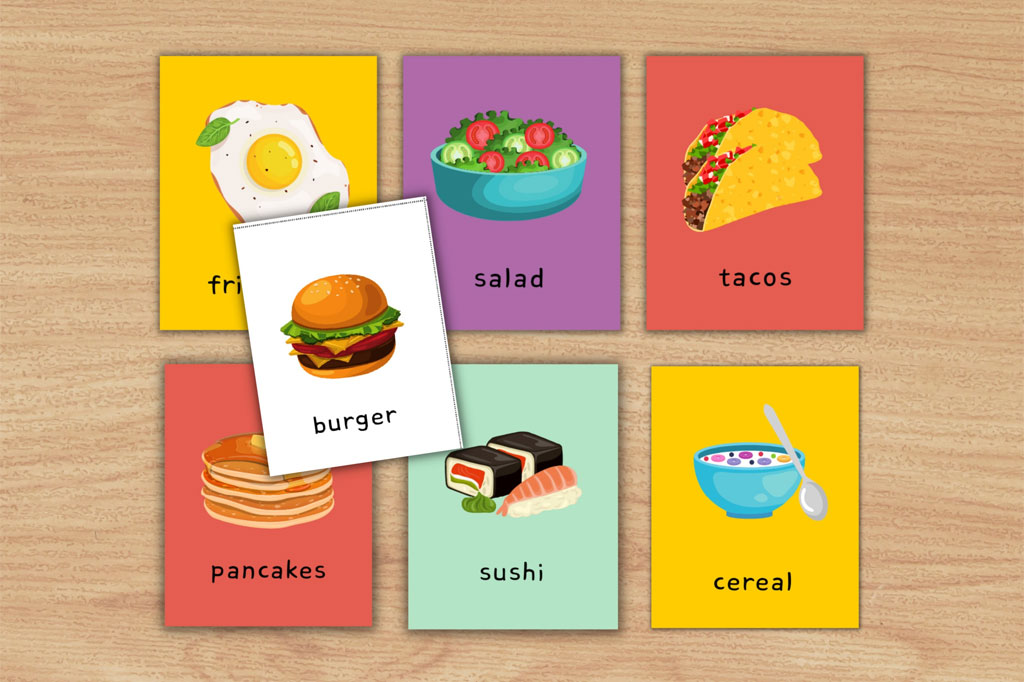
Custom vocabulary card games are card-based learning tools designed around specific words, themes, or language goals. Unlike generic flashcards, they can be tailored to learners’ ages, reading levels, curriculum standards, or real-life contexts. Cards may include words, definitions, images, sentences, phonetic cues, or discussion prompts, and they can be used in a wide range of game formats such as matching, sorting, guessing, or storytelling.
Because they are customizable, educators and parents can adapt the content to support phonics, spelling, comprehension, grammar, or even second-language learning.
Why Card Games Are Effective for Language Learning
Card games naturally encourage repetition, interaction, and motivation—three key ingredients for language acquisition.
- Active engagement: Learners are not passive recipients of information. They read, speak, listen, and respond during gameplay.
- Reduced learning pressure: Games lower anxiety, making learners more willing to experiment with new words.
- Multi-sensory learning: Visual cards, verbal responses, and physical handling of cards reinforce memory.
- Social interaction: Many card games promote discussion, collaboration, and turn-taking, which are essential for language use.
These factors make vocabulary card games especially effective for early learners, reluctant readers, and language learners.
Building Vocabulary Through Play
Custom vocabulary card games help learners move beyond memorization toward meaningful word use.
- Word recognition: Repeated exposure to words on cards improves sight-word recognition and decoding skills.
- Word meaning: Cards with definitions, pictures, or example sentences help learners understand context and nuance.
- Word relationships: Sorting or matching games can teach synonyms, antonyms, categories, and word families.
For example, a simple matching game that pairs words with images can support early readers, while a more advanced game that challenges players to explain or use a word in a sentence builds deeper vocabulary knowledge.
Supporting Reading and Comprehension Skills
Vocabulary knowledge is closely linked to reading comprehension. Custom card games can be designed to strengthen this connection.
- Context clues: Sentence-based cards encourage learners to infer meaning from surrounding words.
- Sequencing and storytelling: Games that ask players to build a story using vocabulary cards improve narrative skills and comprehension.
- Question and answer prompts: Cards that include “who,” “what,” “where,” “when,” and “why” questions promote critical thinking while reading.
Enhancing Spelling and Phonics
Vocabulary card games are also powerful tools for phonics and spelling practice.
- Sound matching: Cards focusing on beginning, middle, or ending sounds reinforce phonemic awareness.
- Word-building games: Players can combine root words, prefixes, and suffixes to form new words.
- Spelling challenges: Turn-based spelling games encourage accuracy while keeping the experience fun.
Because errors occur within a game setting, learners are more open to correction and improvement.
Benefits for Second Language Learners
For ESL and bilingual learners, custom vocabulary card games offer structured yet flexible practice.
- Visual support: Images and symbols help bridge language gaps.
- Speaking practice: Games encourage learners to pronounce words and form sentences aloud.
- Cultural relevance: Customization allows educators to include familiar topics, making learning more relatable.
Group play also gives language learners valuable opportunities to listen to peers and practice conversational skills in a low-stress environment.
Designing Effective Custom Vocabulary Card Games
To maximize learning outcomes, thoughtful design is essential.
- Keep instructions simple: Clear rules ensure learners focus on language, not gameplay confusion.
- Limit content per card: Too much text can overwhelm learners, especially children.
- Use consistent visuals: Icons, colors, and fonts help with recognition and organization.
- Adjust difficulty: Create multiple levels or card sets to support differentiated learning.
Custom printing also allows educators or publishers to align card size, durability, and layout with classroom needs.
Using Vocabulary Card Games in Different Settings
Custom vocabulary card games are versatile and adaptable.
- In classrooms: Use them for warm-up activities, small-group centers, or review sessions.
- At home: Parents can reinforce school learning through short, playful sessions.
- In tutoring: One-on-one gameplay allows targeted support and immediate feedback.
- In therapy or intervention: Speech and literacy specialists can customize cards for specific goals.
This flexibility makes card games a long-term resource rather than a one-time activity.