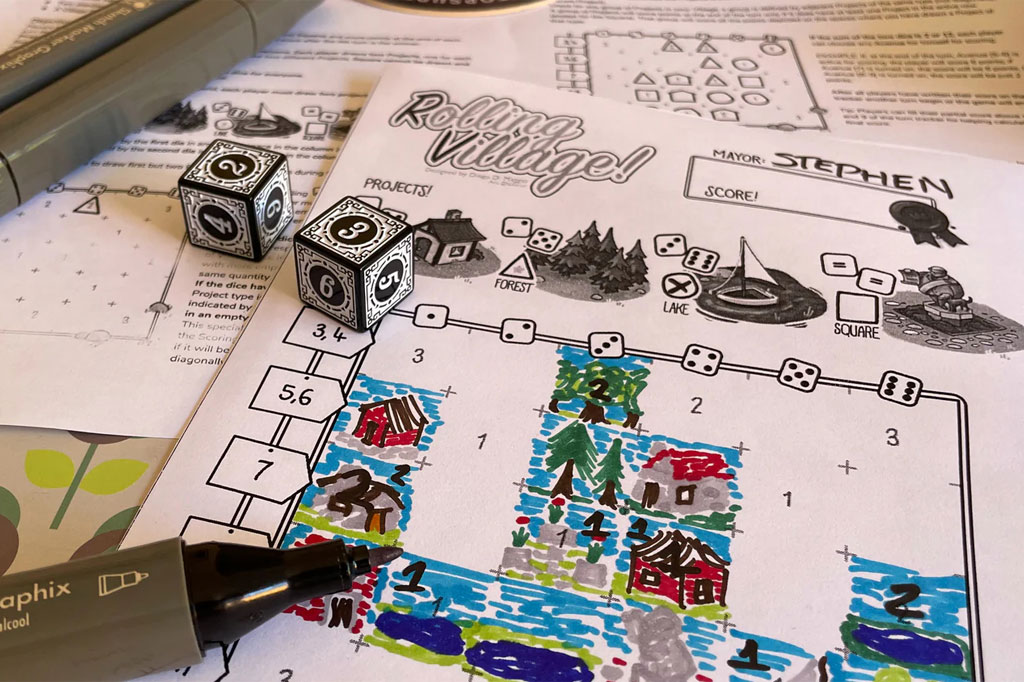
A “Print-and-Play” (PnP) game is one where the game’s components, such as cards, boards, tokens, and sometimes even rulebooks are provided as digital files (PDFs, images, etc.), and players print, cut, and assemble them by themselves rather than receiving a pre-manufactured boxed edition.
Often, PnPs are offered for free (or very cheaply), especially in early stages of design or when the creator wants to prioritize accessibility and distribution over profit.
Table of Contents
Benefits of Releasing A PnP Game
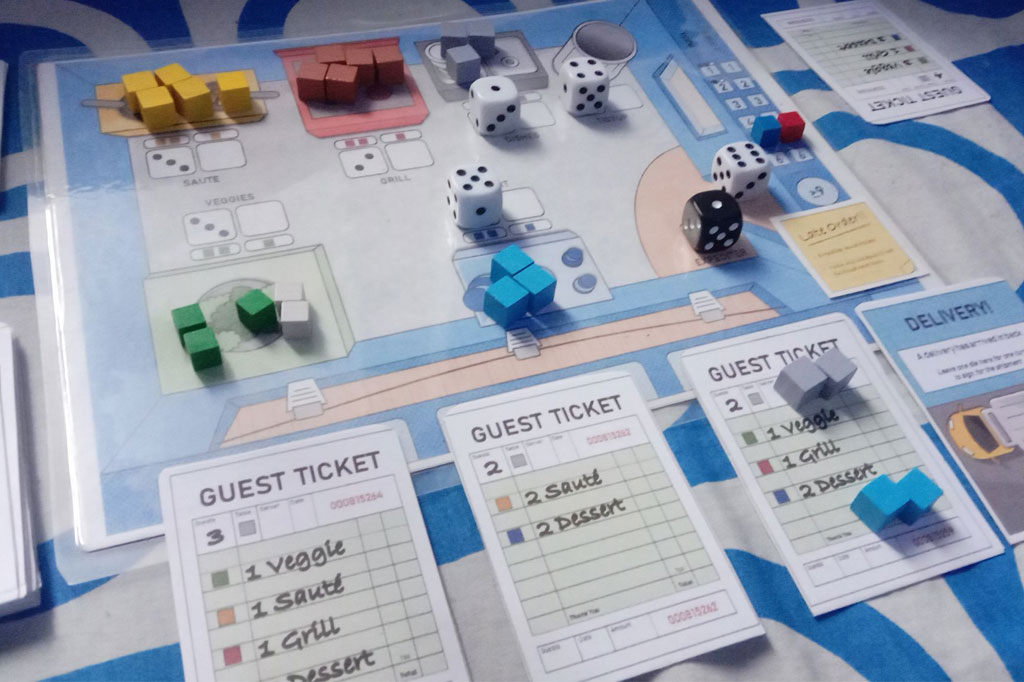
Accessibility & Outreach
Because a PnP takes minimal cost to distribute, it makes your game accessible to anyone with a printer (or who is willing to improvise components). This can attract players who might never invest in an unknown game, especially if they are budget-conscious.
More players seeing and playing your game increases visibility in forums, social media, and among friends, which can foster grassroots popularity and build a community around your game.
Risk-free Testing & Iteration
PnP allows you to test mechanics, rules, balance, and overall gameplay before investing in final art, manufacturing, or large print runs. Because you skip the “production & fulfillment” stages (factories, shipping, inventory), you reduce financial risk and can iterate faster.
This is invaluable, especially for new designers, as the development and playtesting cycles become simpler and cheaper.
Community-building and Goodwill
Offering a PnP can build goodwill with potential players, especially among hobbyists who appreciate accessible, low-cost games. It positions you as generous and community-oriented. Many designers see it as a “marketing investment” rather than a direct monetization opportunity.
Moreover, players who enjoy the PnP version may be more likely to support you in future endeavors — buying a boxed version, backing a crowdfunding campaign, or recommending your games to others.
Lower Overhead and Simplicity
Because you don’t need to manufacture, ship, or handle inventory, a PnP sidesteps many of the major hurdles that come with producing and distributing a packaged board game.
It simplifies logistics greatly, you only need to design the game, create digital assets, and make files available; no need for factories or fulfillment centers.
Downsides of Releasing A PnP Game
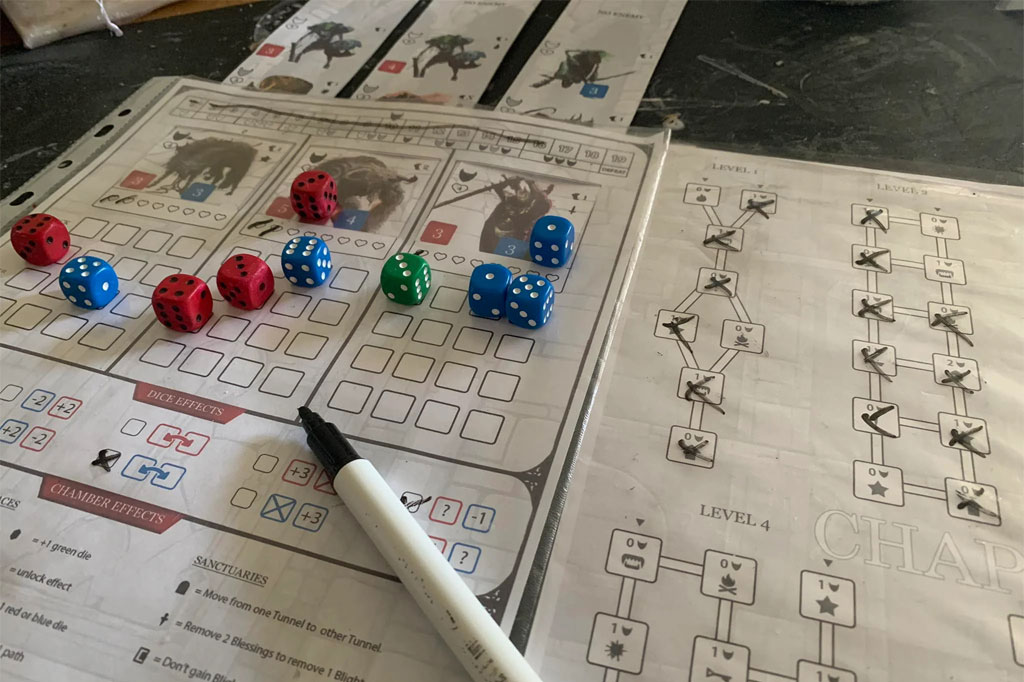
Loss of Polish and Physical Quality
PnP components printed at home rarely match the tactile quality of professionally manufactured components. Cutting, sleeving, and assembling pieces can be tedious, and the at-home version may not fully convey the experience your polished boxed game is meant to provide.
Potential Risk to Sales or Perceived Value
A PnP can reduce the urgency for some players to purchase a physical copy. If the PnP satisfies their curiosity or gameplay needs, they may skip buying the official edition. This can be especially problematic if you plan to rely on retail sales or premium production value as your main revenue stream.
Some Publishers Avoid Games with PnPs
Several traditional publishers prefer games that have not been released publicly in a free, fully playable format. Their concerns include:
- Worry that the game’s “newness” or market impact is diminished if many players have already played it for free.
- Difficulty justifying a marketing budget when the game’s files have already circulated widely.
- Fear that a public PnP could lead to unauthorized or unofficial versions competing with their planned release.
For these publishers, an existing PnP can be seen as a liability rather than a benefit.
Exposure to Copying
Since PnP files are easy to download and share, some designers worry about clones or derivative designs appearing. While mechanics themselves are rarely protectable, releasing your full game publicly can make it easier for someone to create a near-clone or unauthorized commercial version.
Extra Effort Required from Players
Even enthusiastic players may hesitate to try a PnP simply because printing and cutting components is labor-intensive. If your game involves many cards, tokens, or detailed components, the assembly effort may prevent people from ever trying it.
The “Necessary” Depends on Your Goals
Based on the benefits and downsides above, here are some guidelines:
You Should Release a PnP
- You’re an indie / first-time designer — with little budget for manufacturing or fulfillment. It lets you get your game out there without major financial commitments.
- You want playtesting and feedback — early-release PnPs are a great way to iterate on gameplay, rules, and balance before committing to a final product.
- Your goal is community building or exposure — if you care more about visibility, community, and reputation than immediate profits.
- You want to lower the barrier for players — especially players in different regions, or those new to hobby games who might be reluctant to pay upfront.
You Might Skip Offering a PnP
- You intend to produce a professional, premium boxed edition with high-quality components — you risk undercutting your own sales.
- Your game heavily depends on component quality or component-intensive mechanics (custom dice, complex boards, many tokens) — PnP may not do it justice and could damage players’ impressions.
- You’re concerned about monetization and sustainability — if you aim to earn a living from your games, giving the entire game away may not align with long-term goals.
- You worry about design theft or clones — though the legal risk may be limited, there is a real possibility of your mechanics being copied or adapted.