Board game creators often focus on artwork, gameplay, manufacturing, and logistics. But one crucial aspect is frequently overlooked: product insurance.
Is it necessary? What risks does it cover? Is the cost justified for a relatively low-risk consumer product like board games?
Table of Contents
What Is Product Insurance?
Product insurance (often called Product Liability Insurance) protects a business when a consumer claims that a product caused injury, property damage, or financial loss.
If a board game component is alleged to be dangerous or defective, the insurer covers legal fees, settlement costs, and compensation, depending on the policy.
For board games, this insurance typically covers:
- Manufacturing defects
- Choking incidents from small parts
- Ink or material toxicity claims
- Packaging defects
- Component breakage that causes injury
Even though board games seem harmless, legal liability exists in every physical product.
Do Board Games Carry Any Real Risk?
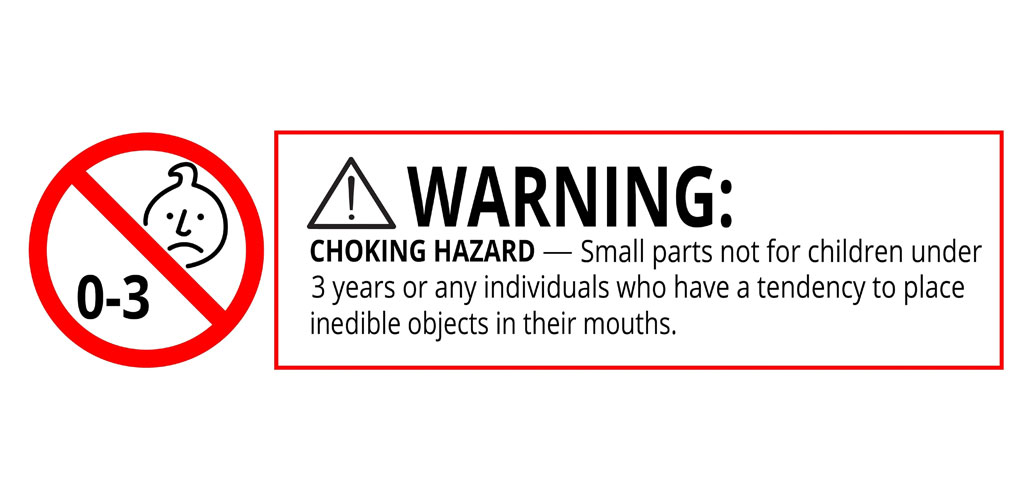
Board games are considered low-risk consumer goods, but they are not risk-free. Here are realistic scenarios where a publisher could face liability:
1. Choking hazards
Small tokens, dice, miniatures, and cubes may pose a risk to young children, even if the game is intended for adults. Failing to use proper warnings may lead to claims.
2. Material safety issues
If inks, coatings, plastics, and adhesives are contaminated, or if the factory used non-compliant materials, you could face consumer or regulatory claims.
Common standards include:
- EN71 (EU children’s toys)
- ASTM F963 (US safety standard)
- CPSIA (US Consumer Product Safety Improvement Act)
Non-compliance can trigger liability.
3. Sharp edges or component breakage
Broken plastic miniatures or metal coins might cause injury.
4. Allergic reactions
Some players may react to components (e.g., natural rubber, latex, wood dust, or coatings). Even if uncommon, claims can be expensive.
5. Fire or heat risks
Rare, but if parts melt, catch fire, or produce fumes under certain conditions, you could be liable.
6. Packaging or printing errors
If instructions cause injury or damage due to incorrect warnings, illustrations, or instructions, this can lead to liability.
7. Legal costs, even for baseless claims
Even if a case is dismissed, legal defense is costly, and insurance helps cover that.
In summary, while the probability of serious harm from a board game is small, the financial impact of a claim is not.
Who Typically Needs Product Insurance for Board Games?
1. Self-publishing designers
If you are printing and selling your game yourself, especially through Kickstarter, Shopify, Amazon, or conventions, you are legally responsible for your product. Insurance greatly reduces risk.
2. Kickstarter creators
Crowdfunded games involve thousands of customers, global shipping, and varying regulatory standards. Many fulfillment partners even require insurance.
3. Established publishers
Mid-size and large publishers almost always carry product liability insurance because:
- It protects against recalls
- Retailers require it
- Large-scale sales increase exposure
4. Board game companies selling in US/EU retail
Walmart, Target, Barnes & Noble, and many distributors require proof of product liability insurance before accepting inventory.
5. Manufacturers offering Private-Label or OEM services
If a factory is producing a product under your brand name, liability falls on you, not the factory. You should have insurance even if the manufacturer has their own coverage.
6. POD (Print-on-Demand) board game sellers
If you operate a board game POD business (Kickstarter, Etsy, Amazon POD), you are seen as the product seller and are therefore responsible for safety.
Do You Still Need Insurance If the Factory Has It?
Almost always → Yes.
Manufacturers typically have their own insurance, but it usually covers:
- Factory accidents
- Manufacturing errors
- Limited recall expenses
It usually does NOT cover:
- Liability once the product leaves the factory
- Claims that arise during consumer use
- Design flaws
- Improper labeling or warnings
- Legal costs in your country
Once the game is shipped to your warehouse or customer, liability normally shifts to the publisher/brand owner, not the factory.
What Does Product Insurance Cover for Board Games?
A typical product liability policy covers:
- Bodily injury: A player cuts their finger on a metal coin, or a child chokes on a piece.
- Property damage: Example: A poorly designed component stains furniture or damages electronics.
- Legal defense costs: Even if you did nothing wrong, an accusation requires a legal response.
- Settlement or court judgments: If a claim is proven valid, insurance pays compensation.
- Product recall coverage: If a defective batch must be recalled, this can save tens of thousands.
How Much Does Product Insurance for Board Games Cost?
The cost depends on:
- Total annual revenue
- Number of units sold
- Sales regions (US is higher risk)
- Components and materials
- Age rating (below 14 increases risk)
Typical ranges:
- Small indie publisher / Kickstarter: $400–$1,500 per year
- Mid-size publisher: $2,000–$8,000 per year
- Large publisher: $10,000+ per year
For most small creators, insurance is surprisingly affordable.
When You Might Not Need Product Insurance
If your situation includes the following, insurance might be optional:
- You only print sample prototypes not for sale
- You sell fewer than 100 copies, all to friends or testers
- You do not sell in the US (where liability is highest)
- You sell only digital products (e.g., print-and-play files)
For nearly all commercial board game operations, however, insurance is recommended.
Best Practices to Reduce Liability (Even With Insurance)
Even with insurance, adopting safety best practices protects your business and customers.
1. Use certified, reputable manufacturers
Choose factories that comply with:
- EN71
- ASTM F963
- CPSIA
- ISO quality standards
2. Age labeling and warnings
Clear labels such as: “Not suitable for children under 14 years. Contains small parts.”
3. Material and toxicity testing
Request:
- Material Safety Data Sheet (MSDS)
- Third-party testing reports
4. Quality inspection before shipping
Use third-party QC teams to check:
- Sharp edges
- Loose components
- Printing accuracy
- Packaging safety
5. Clear instructions and illustrations
Poor instructions can lead to injury or misuse.
So, Is Product Insurance Needed for Board Games?
The short answer is yes. For most board game businesses, the annual insurance fee is small compared to the potential financial risk it offsets.