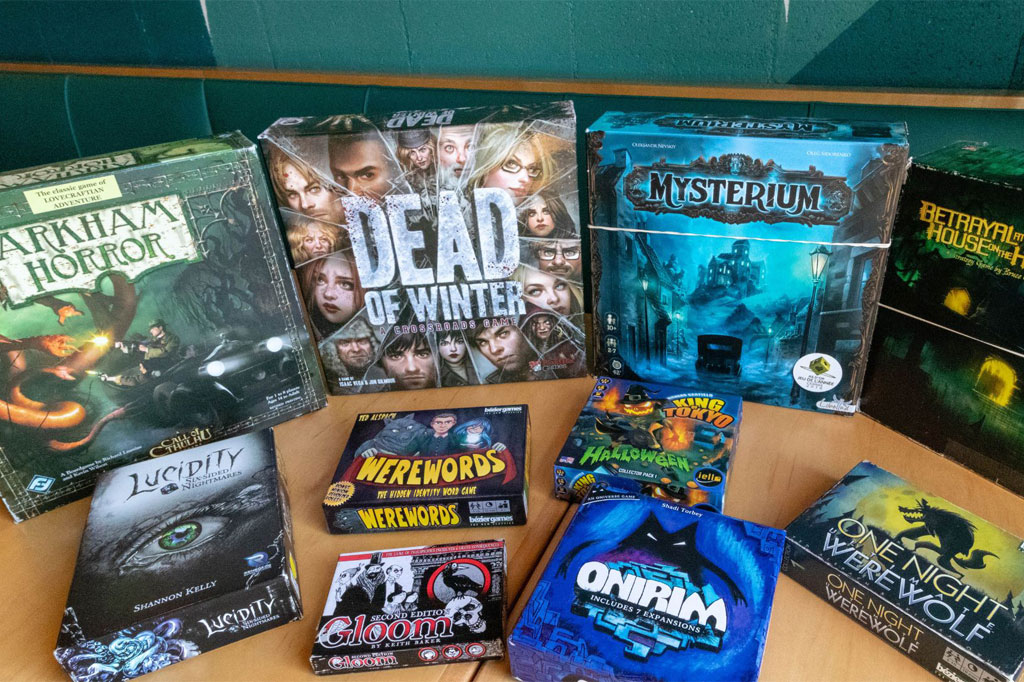
In recent years, horror board games have surged in popularity as designers find new ways to replicate the dread, suspense, and atmosphere of horror movies, but in a social, tabletop format.
From Lovecraftian cosmic dread to zombie apocalypse survival, from haunted mansions to alien infestations, there’s a horror board game for almost every taste.
Table of Contents
Why “Horror” Board Games Still Thrive
Board games have a unique ability to evoke horror differently than video games or movies. With horror board games:
- You shape the dread: Without fixed cinematics, players imagine the fear as they explore dark mansions, creep through haunted towns, or roam space ships.
- Social horror dynamics: Betrayal, hidden roles/objectives, and paranoia work especially well around a tabletop when faced with friends (or foes).
- Replayability & unpredictability: Modular maps, randomized events, traitors, and branching scenarios ensure that no two sessions feel the same.
- Solo horror: Some modern horror games cater to solo players, letting you experience the fear alone, which often intensifies the immersion.
With that in mind, here are 20 of the most compelling horror board games available today (or recently), across a variety of styles and player counts.
Top 20 Horror Board Games
This list of 20 modern horror board games (roughly last 10–12 years, plus a few “classics that remain modern staples”) highlights games that deliver strong theme, replayability, social tension, and chills.
1. Betrayal at House on the Hill
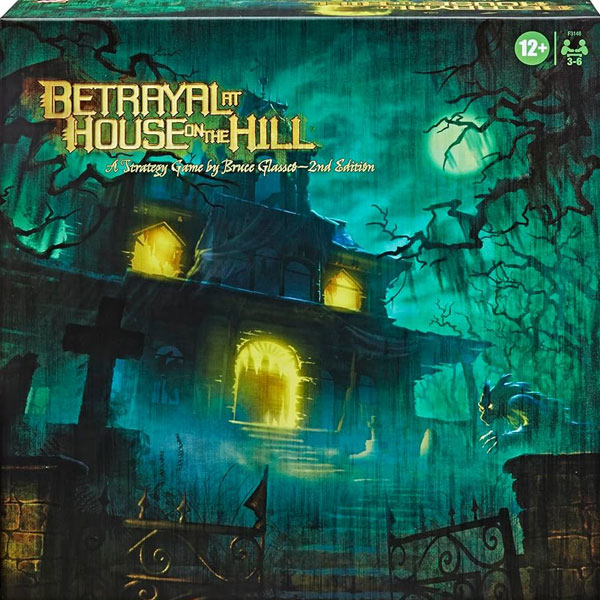
Widely regarded as a staple of horror board gaming. Players collaboratively explore a haunted house — room by room — and uncover items, omens, and events. Then the dreaded “haunt” triggers: roles shift, and one player often becomes a traitor. This mechanic — shifting alliances mid‑game — is the core of its horror appeal.
Replayability: With ~50 different haunt scenarios, every playthrough can feel quite different.
Best for: Friend groups (3–6 players), people who love surprise betrayals and horror tropes, and those who appreciate a mix of exploration, randomness, and social deceit.
2. Nemesis
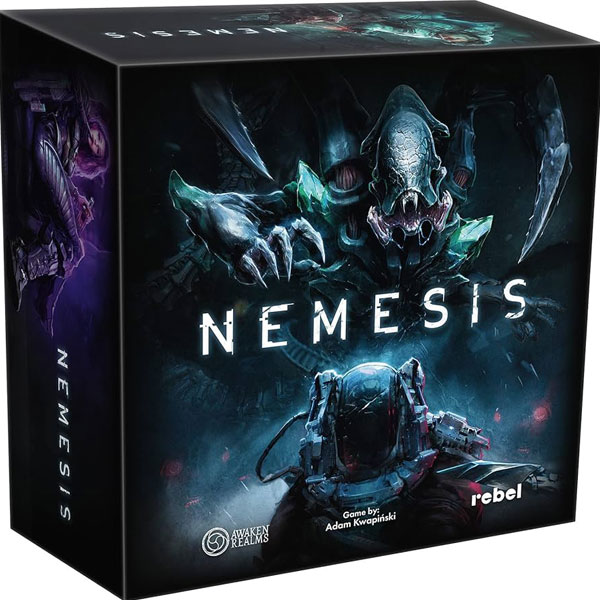
A sci‑fi horror/survival horror board game — often compared to the vibe of the movie Alien. Players wake aboard a hostile spaceship crawling with deadly alien organisms — but there are hidden objectives and possible betrayals. At first, it seems cooperative; by the end, you may not trust any crewmate.
Why it works: The tension is high — every decision can mean life or death. The hidden objective and semi-coop mechanics keep players constantly guessing: are you working together… or backstabbing each other?
Best for: Groups who like dark sci‑fi horror, moral ambiguity, and high-stakes paranoia.
3. Eldritch Horror
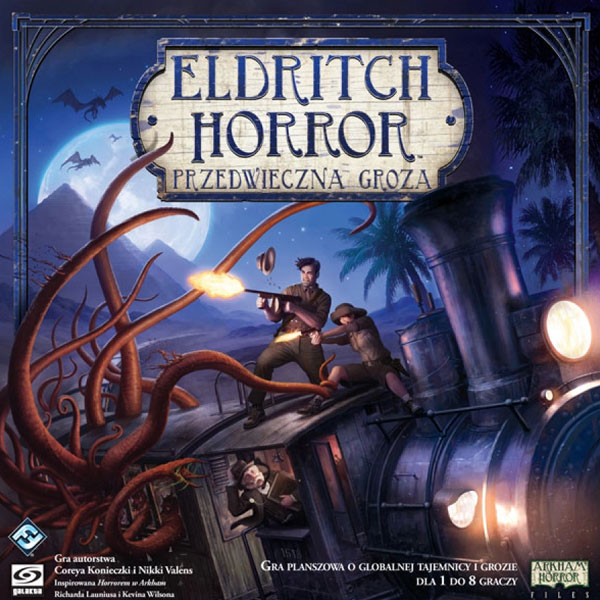
A global‑scale horror board game rooted in cosmic horror themes. Instead of exploring a single mansion or spaceship, players travel the world: moving between cities, encountering mysteries, fighting monsters, and working to stop the rise of an ancient evil.
Strengths: Cooperation, strategy, exploration — it’s a long, epic narrative that feels grand in scope. The encounter system offers variety, so no two sessions play the same.
Best for: Larger groups or long-play sessions, players who enjoy story-driven adventures and global stakes rather than localized horror.
4. Mansions of Madness: Second Edition
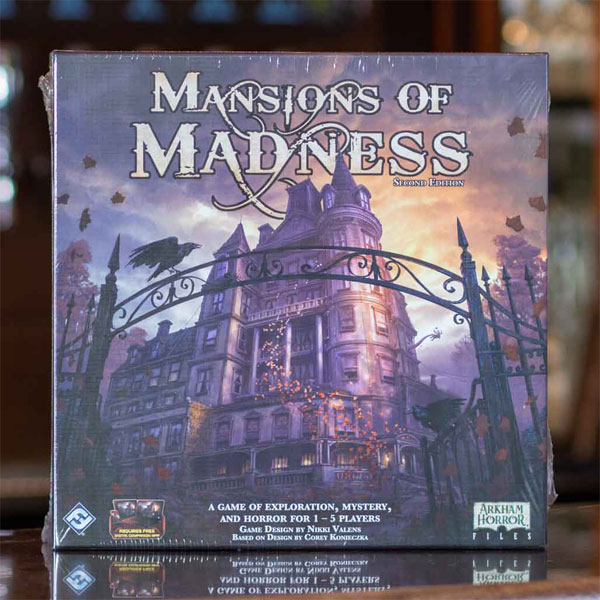
A cooperative horror‑mystery game. Players assume the roles of investigators exploring haunted mansions or cursed locales, solving puzzles, fighting monsters, and uncovering dark secrets. In the second edition, an app replaces the need for one player to control monsters, letting everyone play cooperatively.
Why it’s great: The app-driven design enhances immersion: surprises, events, monster movements — all are controlled by the game, building tension and unpredictability. The narrative is strong, and the horror atmosphere is immersive.
Best for: Players who like investigation, puzzles, and board‑game horror that emphasizes atmosphere over direct conflict.
5. Horrified
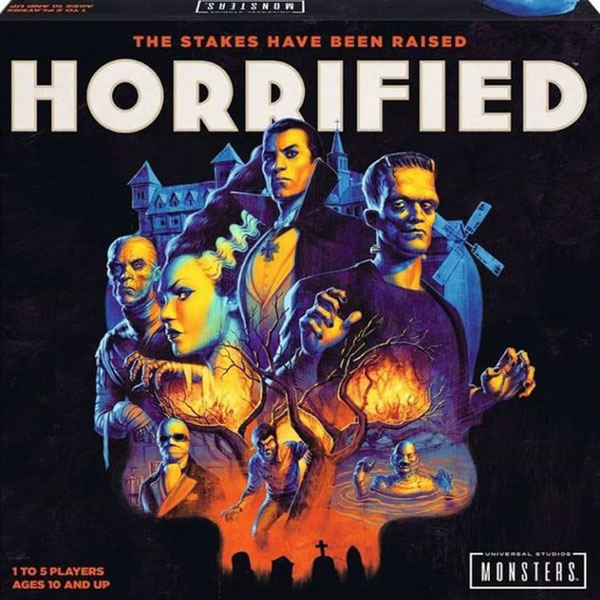
A cooperative, accessible horror board game featuring classic horror movie monsters (Dracula, Frankenstein’s monster, the Wolfman, etc.). Players must work together to protect a town, vanquish monsters, and survive.
Why it’s appealing: The game is relatively easy to pick up, making it friendly for casual players and newcomers to horror board games. It’s also fun for mixed-age or mixed-interest groups. According to Halloween / spooky‑game night guides, it’s a go-to for “group fun without deep rules.”
Best for: Casual game nights, fans of classic monster stories, groups seeking cooperative fun without heavy complexity.
6. The Night Cage
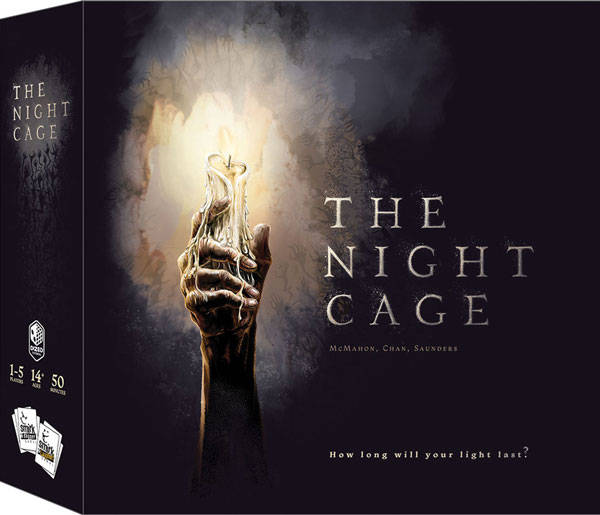
A tile‑based, cooperative horror game in which players explore a dark, ever‑shifting maze, trying to escape creeping horror as their resources and nerve dwindle. Published in 2021.
What makes it unique: The “maze of darkness” concept — unpredictably evolving tile layout, combined with a system that simulates dwindling nerve or sanity, gives a sense of dread and creeping hopelessness.
For whom: Solo players up to 5 players; those who enjoy atmospheric tension, horror that doesn’t rely on combat, and games that feel like exploring a horror house by candlelight.
7. Dead of Winter: A Crossroads Game
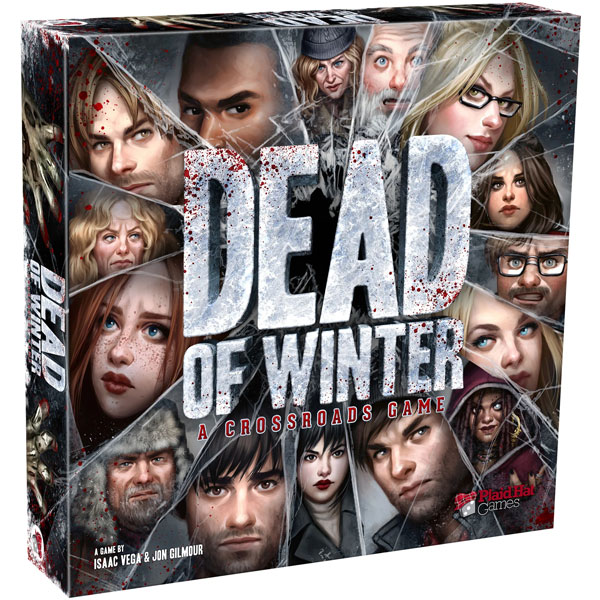
A gritty survival‑horror board game set in a post‑apocalyptic, zombie‑infested world. Players must survive harsh conditions, manage resources, and deal with moral dilemmas while working toward collective or personal goals.
What it delivers: Tension, stress, and horror — not just from zombies, but from desperation, trust issues, and the challenge of survival. It often forces players to make hard ethical decisions.
Best for: Players interested in survival horror, social dynamics under pressure, and darker, more serious horror themes than haunted houses or cosmic horror.
8. Cthulhu: Death May Die
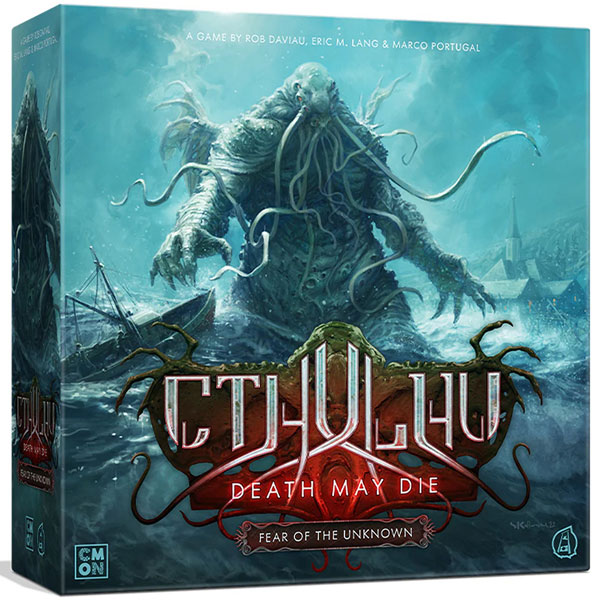
A modern board game inspired by cosmic horror — cultists, cosmic deities, investigators fighting to prevent an unspeakable horror. Known for intense gameplay, challenging mechanics, and high horror flavor.
Why it stands out: It combines narrative intensity, cooperative struggle, tactical action, and the dread of confronting cosmic forces beyond comprehension.
Best for: Groups that enjoy Lovecraftian horror, difficulty, and darker themes — ideal for fans of cosmic dread rather than campy scares.
9. Mysterium
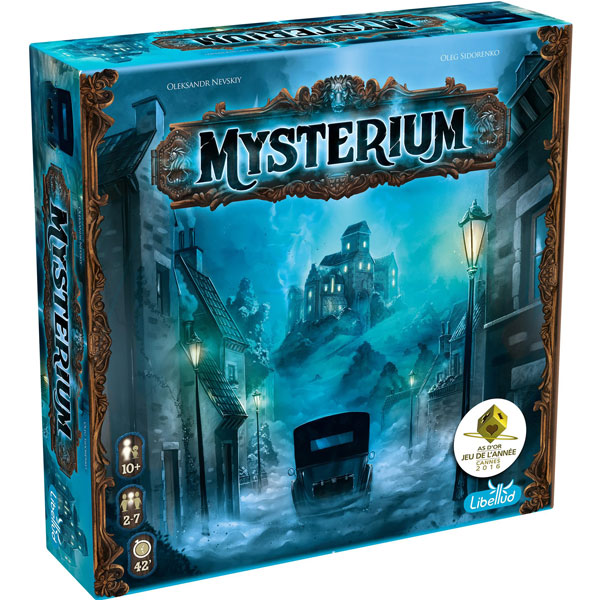
A cooperative deduction board game with a horror and mystery atmosphere. One player acts as a ghost giving cryptic clues, while others (the mediums) interpret the clues to solve a murder or mystery.
Why it works: The art, mood, and secrecy create a chilling — yet subtle — horror vibe. It doesn’t rely on gore or monsters; instead, it uses atmosphere and imagination to build suspense.
Best for: Groups who like mystery, deduction, and immersive storytelling — especially good for those who prefer subtle horror over overt scares.
10. The Bloody Inn
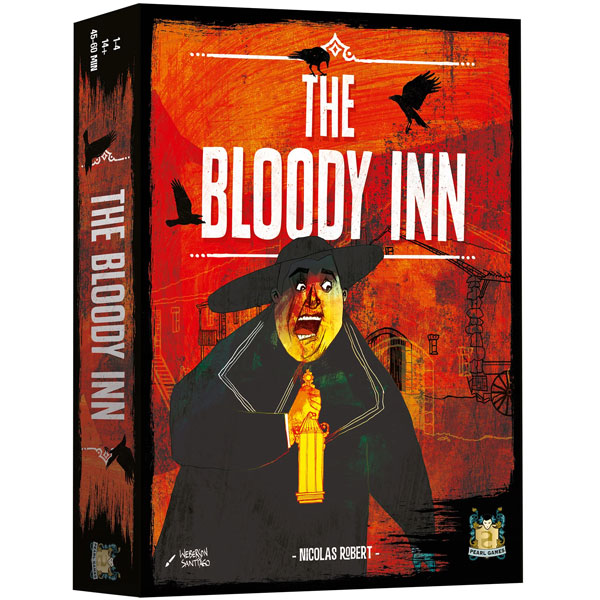
A dark, macabre game set in 1830s France where players run an inn — and indulge in murder, robbery, and corpse disposal. It’s bleak and morally twisted, but mechanically solid and thematically legible.
What makes it unique: Horror through human cruelty and desperation rather than monsters or supernatural threats. The tension arises from moral degradation, secrecy, and greed.
Best for: Players who don’t shy away from gritty, morally ambiguous horror; fans of darker‑than‑usual themes and grim strategy games.
11. Claustrophobia 1643
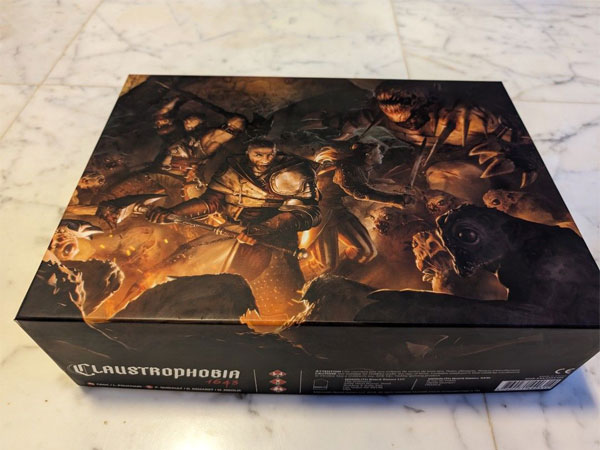
An asymmetric, dungeon‑crawl/horror hybrid board game. Players are trapped underground — one side as desperate survivors, the other side controlling hellish forces. It evokes claustrophobic horror, dread, and asymmetrical tension.
Strengths: Tight, tense gameplay; strong asymmetry; horror rooted in confinement and hopelessness rather than monster spectacle.
Best for: Two-player sessions (or small groups), players seeking intimate horror experiences full of tension and dread.
12. Final Girl
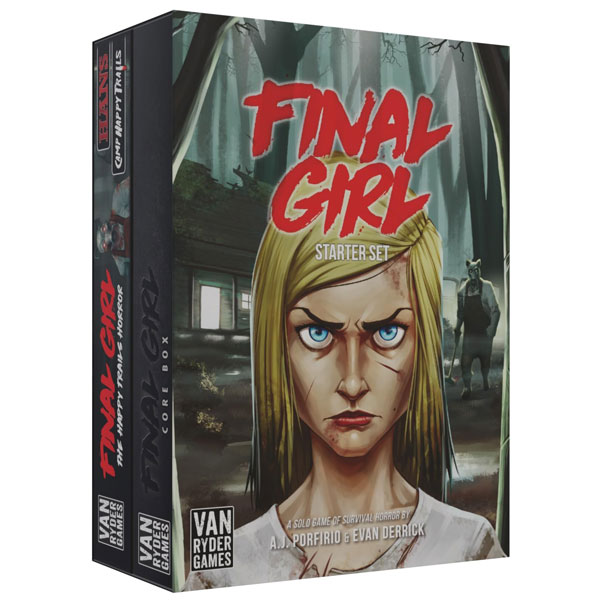
A one-vs-many horror board game inspired by slasher movies. One player controls the killer; the others play survivors trying to escape or achieve goals before being hunted down. Many players consider it among the best “movie horror in a box” games.
Why it works: It captures the feel of a slasher film — paranoia, dread, unbalanced power dynamics, sudden violence, and high tension.
Best for: Groups (3–6 players), horror fans who like slasher‑movie vibes and asymmetric gameplay (killer vs survivors).
13. Zombicide 2nd Edition
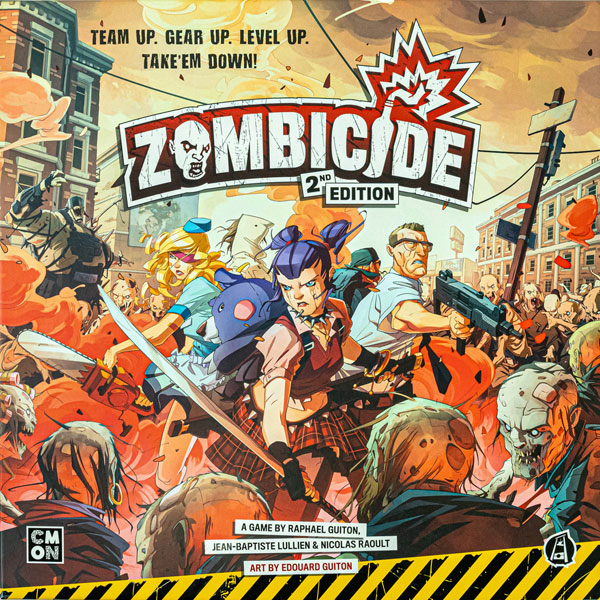
A cooperative zombie‑survival board game where players fight hordes of undead. It blends action, cooperation, and horror survival, often with a cinematic flair. According to one “top 10” list, it ranks among the highest‑rated horror board games.
Why it stands out: Accessible mechanics, strong cooperative gameplay, and satisfying zombie combat make it a go-to for zombie‑horror fans.
Best for: Groups who enjoy action‑oriented, survival‑horror gameplay with zombies, teamwork, and waves of threats rather than a single narrative.
14. Ghost Stories
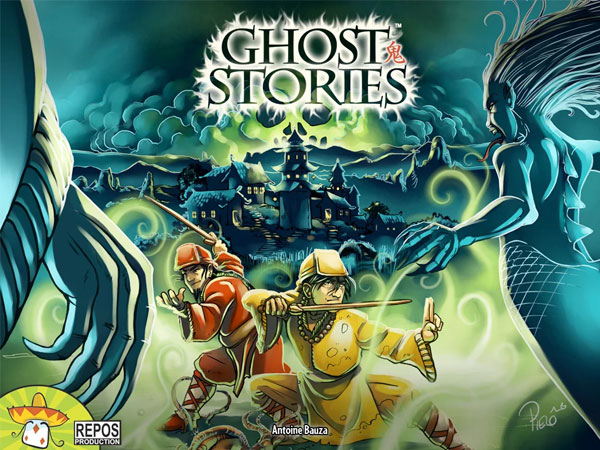
A cooperative horror board game with supernatural themes: ghosts, exorcisms, evil spirits. Players work together to protect a village from spiritual threats. It’s a bit older but still relevant and influential in the horror board game space.
Why play it: It’s relatively fast-paced for a horror co‑op and tends toward tense, spooky gameplay — great for groups that want horror vibes without extremely heavy mechanics.
Best for: Players new to horror board games, or groups wanting quick, spooky sessions without deep complexity.
15. Nyctophobia
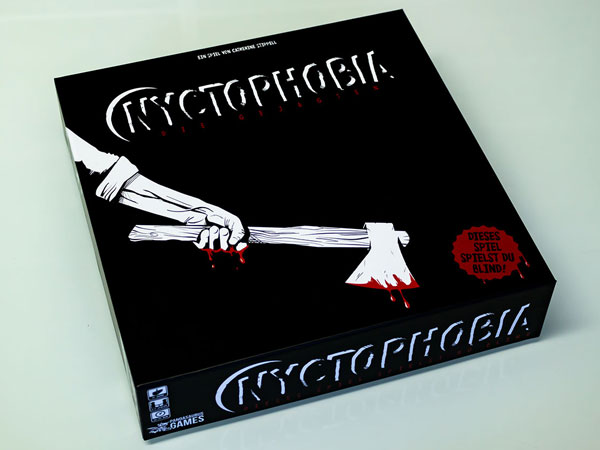
A horror board game designed with a twist — visibility is limited. Typically, only one player can see the board (or pieces), while others are blindfolded or otherwise deprived of full information. This creates paranoia, fear of the unknown, and heightened tension. (Note: Nyctophobia gets frequent name‑drops in horror‑game lists.)
What it offers: Suspense and fear of the unknown; a social horror experience where mistrust, uncertainty, and incomplete information fuel the dread.
Best for: Groups craving a psychological horror vibe, fear of blindness, limited knowledge, and tension — especially for horror fans wanting unique experiences beyond standard combat or horror tropes.
16. Shadows of Brimstone
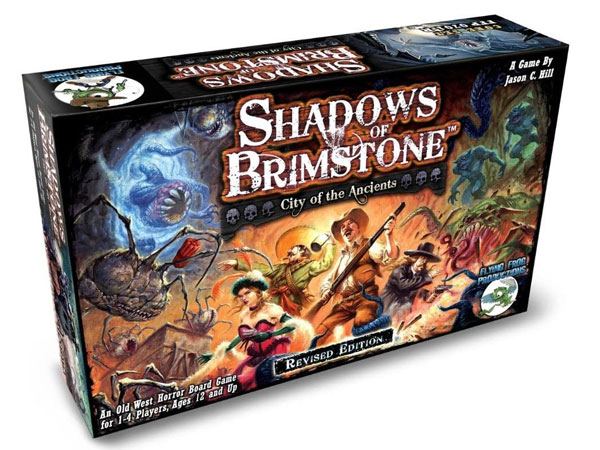
A horror‑fantasy dungeon‑crawl board game, where players venture into mines, caverns, and other dark locales — facing horror, monsters, and dread around every corner.
Why it deserves a spot: Its horror comes from the unknown, exploration, and dread of what’s lurking — not necessarily from overt gore. It offers a blend of horror and adventure that can appeal to fans of both genres.
Best for: Players who enjoy dungeon‑crawl mechanics, horror-setting adventures, and the tension of exploring unknown, dangerous spaces.
17. Last Night on Earth: The Zombie Game
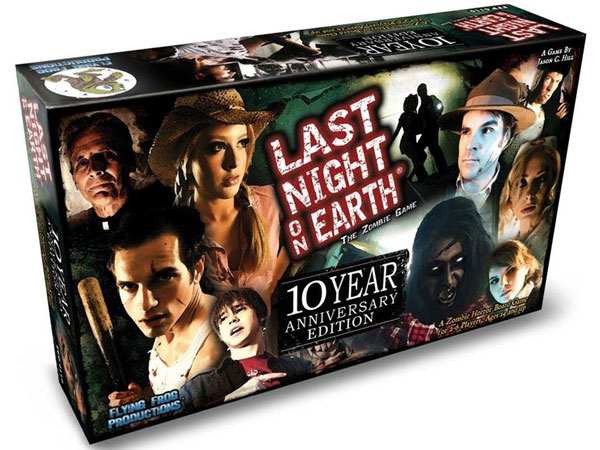
A classic zombie apocalypse‑themed board game (initially released in 2007). Players choose to be heroic survivors or the zombie horde itself. It includes a modular board (town + outskirts) and scenario-driven gameplay, with multiple expansions released.
What it brings: A cinematic zombie movie vibe — survivors vs zombies, tension, last‑minute escapes, and chaotic zombie surges. The multiple scenarios and expansions increase variation and longevity.
Best for: Groups who love zombie horror, enjoy asymmetric threat vs survivors, and want a reasonably accessible yet thematic game.
18. Fury of Dracula
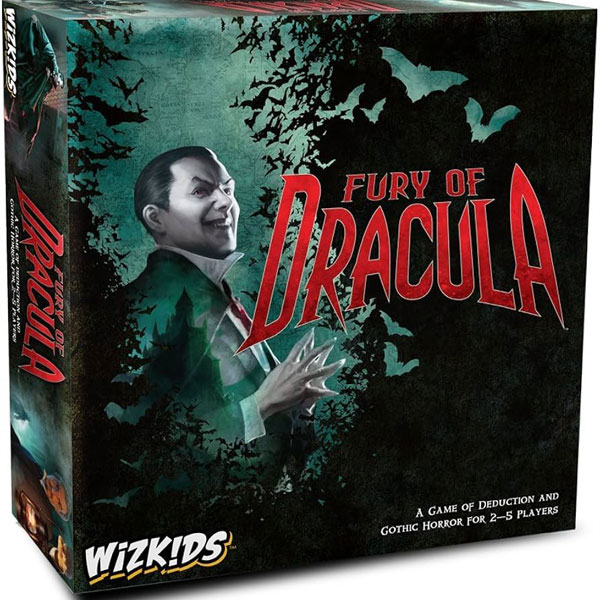
A hidden‑movement horror board game where one player is Dracula (or a vampire equivalent) trying to spread terror, and the other players are vampire hunters trying to find and destroy Dracula before the evil spreads. It combines deduction, suspense, and horror.
Why it works: The hidden‑movement mechanic creates paranoia, fear, and uncertainty — perfect for horror themes. It’s less about monsters charging in — more about dread of not knowing where the threat is.
Best for: Fans of gothic horror, vampires, deduction, and tense cat-and-mouse gameplay.
19. The Others
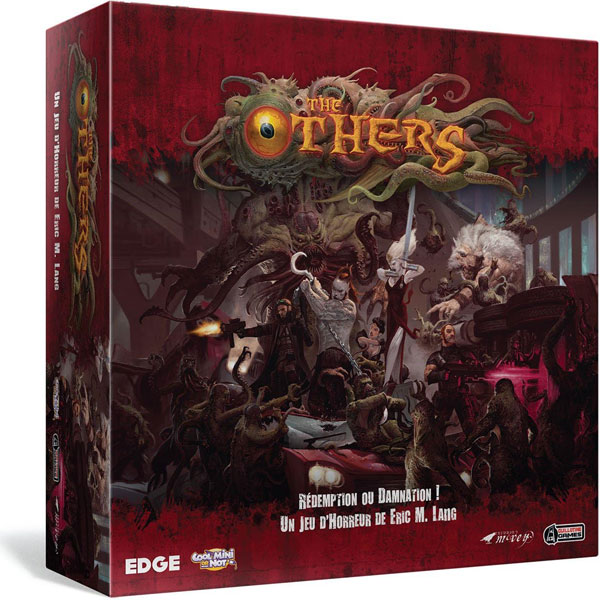
A horror board game that pits players against an army of monstrous, demonic threats — often steeped in horror tropes of evil, dread, and cosmic menace. It combines narrative horror with strategic gameplay.
Why it’s interesting: It emphasizes horror as a feeling — overwhelming odds, creeping dread, and often brutal consequences. It’s less about haunted houses or zombies, more about horror as existential, monstrous, overwhelming.
Best for: Players who enjoy dark fantasy horror, heavy themes, and tactical but emotionally intense gameplay.
20. Good & Bad Ghosts
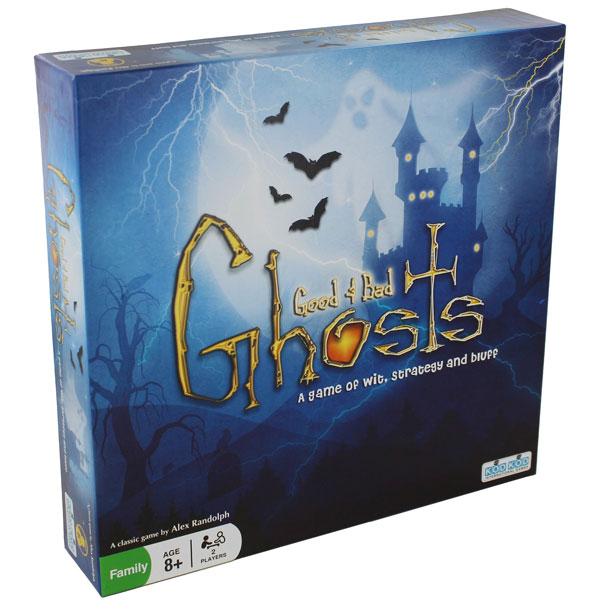
A simple two‑player horror-themed board game from the early 1980s, where each player moves ghost pieces across a haunted castle board; some ghosts are “good,” some are “evil,” but their alignment is secret. Players attempt to escape or capture the opponent’s “good” ghosts.
Why it’s relevant: While very light compared to modern horror board games, Good & Bad Ghosts demonstrates how horror themes have existed in board gaming for decades — even in simple 2‑player abstract games. It’s a reminder that horror games aren’t only big, complex productions — they can also be minimalistic.
Best for: Two players, those wanting a quick spooky game, or collectors of retro horror board games.