Among the various genres of board games, horror-themed games have gained a significant following.
But why do horror themes work so well in board games?
The answer lies in psychology, mechanics, atmosphere, and social dynamics.
Table of Contents
The Psychological Pull of Horror
Horror has a unique way of engaging human psychology. Fear, suspense, and the unknown are deeply compelling emotions. When players experience horror, their adrenaline spikes, their attention sharpens, and their emotional engagement intensifies.
In board games, this heightened state makes gameplay more memorable and immersive. Unlike movies or books, board games require active participation. Players aren’t just observing scary events; they are making decisions that directly impact the story or outcome. This interactivity amplifies the fear and tension, creating a stronger emotional connection to the game.
Moreover, horror often triggers curiosity alongside fear. Players want to uncover the mystery, survive the threat, or outsmart the antagonist. This blend of fear and curiosity keeps players invested, making horror games addictive in a way that more neutral genres may not be.
Five Mechanics That Make Horror Engaging
Horror board games often leverage mechanics that heighten tension and uncertainty. These mechanics work hand-in-hand with the theme to create a visceral experience.
1. Limited Resources
Many horror games restrict the resources players have—health, sanity, ammunition, or time. Scarcity forces players to make difficult choices, adding stress and engagement. The constant calculation of risk versus reward mirrors the tension found in classic horror narratives.
2. Randomness and Uncertainty
Randomized events, card draws, or dice rolls introduce unpredictability. In horror-themed games, this unpredictability often represents lurking dangers, hidden monsters, or unexpected twists. Knowing that anything could happen at any moment keeps players on edge, replicating the suspenseful feeling of horror films or novels.
3. Cooperative Play
Cooperative gameplay is common in horror board games, where players must work together to survive or solve a mystery. Collaboration amplifies fear in a unique way: the pressure of not only saving oneself but also keeping teammates alive increases tension. Social dynamics—trust, betrayal, and communication—become critical elements of gameplay, enhancing emotional investment.
4. Time Pressure
Many horror games implement timers or countdowns to simulate urgency. Whether it’s a ticking clock representing a monster’s approach or a slowly deteriorating environment, time pressure keeps players anxious and focused, simulating the stress of survival horror.
5. Hidden Information
Hidden roles, secret objectives, or unknown threats create a sense of paranoia. Players never know who or what might betray them, keeping them constantly on alert. This mechanic directly supports the horror experience by making uncertainty a core part of the game.
How Atmosphere Enhances Horror?
Mechanics alone cannot generate fear; atmosphere is equally critical. Board game designers use artwork, sound, and narrative to craft a world that draws players in and sustains tension.
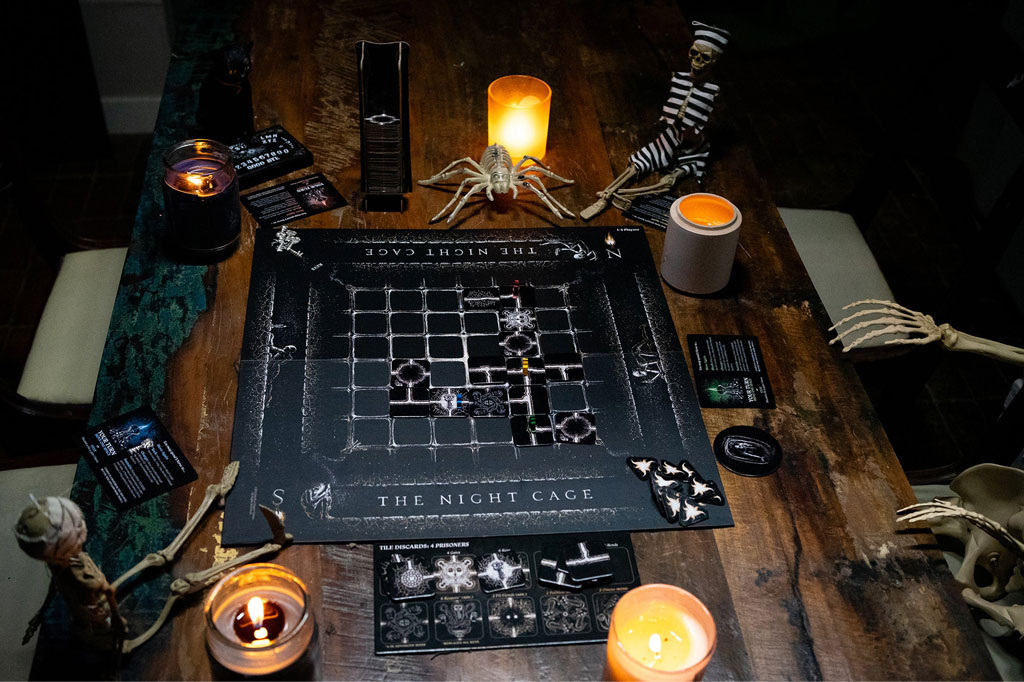
- Visuals: Dark, eerie, and detailed artwork can immediately set a horror tone. Shadows, creepy creatures, and unsettling environments prime players to expect fear, increasing immersion even before the first turn is taken.
- Storytelling: Horror board games often include rich narratives, with story cards, event decks, or campaign modes that unfold like a book or movie. Narrative hooks engage players’ imaginations, making them care about characters, locations, and outcomes. When the story emphasizes dread, mystery, or inevitable consequences, players feel more connected and invested.
- Sound and Ambience: Though optional, soundtracks, phone apps, or ambient sounds can heighten tension. Creaking doors, howling winds, or monster growls add a sensory dimension that complements the visuals and mechanics, making the game experience more intense.
The Social Dimension of Horror Board Games
Horror board games are particularly effective in social settings because they elicit strong emotional reactions that players share and discuss. Fear, shock, and relief are contagious emotions; when one player jumps at a sudden twist, others often follow. This emotional resonance makes group play memorable and strengthens social bonds.
Additionally, the cooperative or semi-cooperative nature of many horror games encourages negotiation, planning, and sometimes betrayal. These dynamics lead to dramatic interactions and storytelling moments, which players are likely to recount long after the game ends. In short, horror games don’t just entertain—they create shared experiences.
Replayability and Challenge
Horror board games often feature modular boards, randomized events, or multiple scenarios, which increase replayability. Each session can feel unique because players cannot predict exactly what will happen. This unpredictability is particularly effective in horror, as the fear of the unknown is central to the genre.
Furthermore, the challenge of survival or problem-solving provides a satisfying sense of accomplishment when players succeed against the odds. Players enjoy the tension and the eventual relief, which makes returning to the game rewarding.