Crowdfunding has transformed the tabletop game industry. A creative concept no longer needs to wait for a traditional publisher: with the right game, presentation, community, and production plan, an independent creator can reach tens of thousands of players around the world.
The opportunity is substantial. According to Kickstarter’s 2024 Games Report, tabletop projects attracted approximately $220 million in successful pledges in 2024, with 5,314 projects successfully funded and an 80% success rate. Tabletop games also accounted for 83% of all pledges in Kickstarter’s Games category.
However, funding is only the beginning. A successful campaign must ultimately become a physical product—accurately manufactured, carefully packed, and ready to delight backers.
To understand what makes a tabletop campaign stand out, let us examine the five most funded Kickstarter successes.
5 Kickstarter Tabletop Success Stories at a Glance
| Project | Category | Amount Pledged | Backers | Key Success Factor |
|---|---|---|---|---|
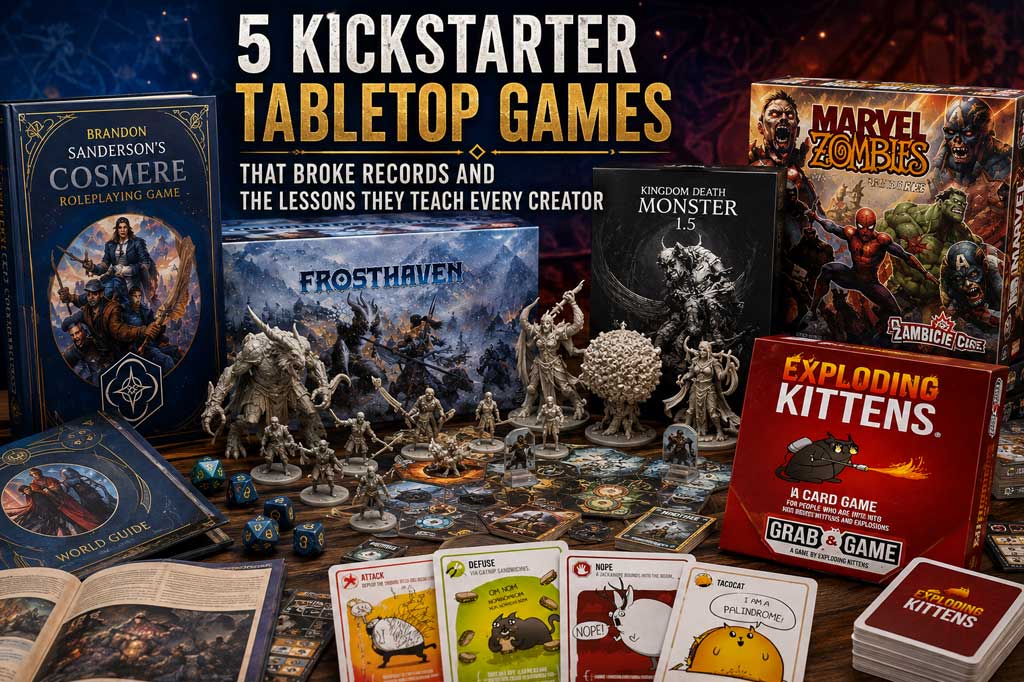
| Brandon Sanderson’s Cosmere® RPG | Tabletop RPG | $15,149,874 | 55,106 | A famous story universe, loyal fan community and expandable product ecosystem |
| Frosthaven | Campaign Board Game | $12,969,608 | 83,193 | Strong reputation of Gloomhaven, extensive content and high perceived value |
| Kingdom Death: Monster 1.5 | Miniatures Campaign Game | $12,393,139 | 19,264 | Premium miniatures, distinctive artistic identity and a committed niche audience |
| Marvel Zombies | Miniatures Board Game | $9,032,583 | 28,974 | Globally recognized IP combined with an established game system |
| Exploding Kittens | Card Game | $8,782,571 | 219,382 | Simple concept, humorous artwork, accessible gameplay and strong shareability |
1. Brandon Sanderson’s Cosmere® RPG
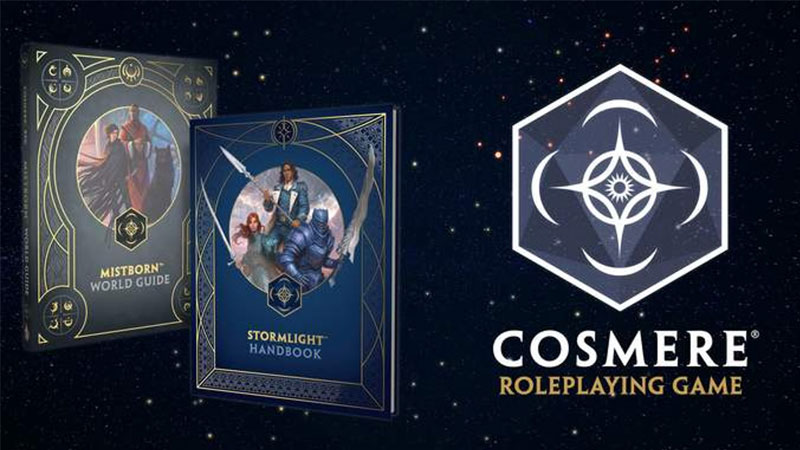
Campaign result: $15,149,874 from 55,106 backers
Created by Brotherwise Games, Brandon Sanderson’s Cosmere® RPG dramatically exceeded its original $250,000 goal during a 23-day campaign. It became the most-funded tabletop project in Kickstarter history.
Beginning with The Stormlight Archive and expanding into Mistborn, the project offered more than a single role-playing game. It presented a long-term tabletop platform capable of exploring multiple worlds within Brandon Sanderson’s Cosmere universe.
The lesson for creators
Several factors contributed to its remarkable performance:
- A large and highly engaged community of Brandon Sanderson readers
- A well-established fictional universe with extensive storytelling potential
- A clear roadmap covering multiple Cosmere settings
- Strong artwork and professional product presentation
- Multiple physical and digital reward options
- Collectible books, accessories and premium editions
The campaign demonstrates the power of combining an established intellectual property with a product vision that extends beyond a single release. Instead of asking fans to support an isolated rulebook, Brotherwise Games invited them to participate in the creation of an expandable tabletop universe.
It also shows that publishing an ambitious tabletop RPG involves considerable production coordination. Core rulebooks, world guides, adventure books, cards, dice, maps, tokens, GM screens and premium packaging may all require different materials, printing methods and quality-control procedures.
For creators planning a similarly content-rich product line, component standardization is especially important. Consistent book sizes, color reproduction, packaging dimensions and accessory specifications can reduce costs and make future expansions easier to manufacture.
The central lesson is that a strong fan community can generate initial attention, but a clear product ecosystem gives backers a reason to increase their pledges and remain engaged over the long term.
2. Frosthaven
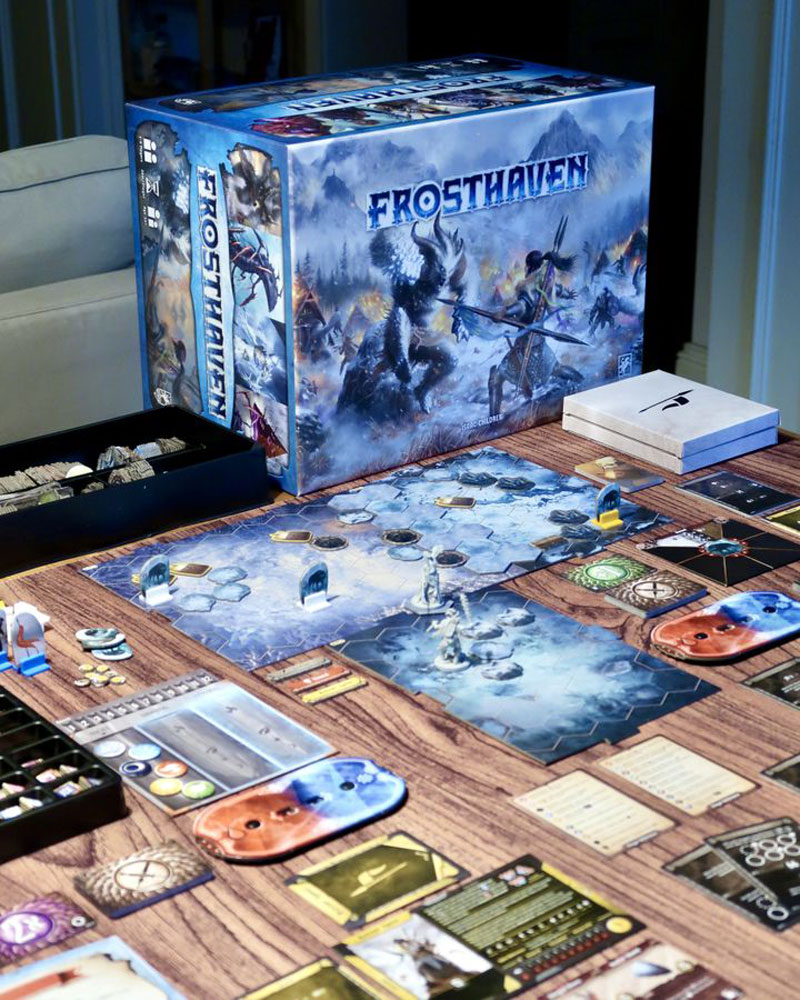
Campaign result: $12,969,608 from 83,193 backers
Frosthaven, created by Isaac Childres, was presented as a Euro-inspired dungeon-crawling sequel to Gloomhaven. Its campaign raised almost $13 million against an initial $500,000 goal.
Its extraordinary success was not based on an unknown idea. The campaign built upon the reputation, audience, and gameplay system established by Gloomhaven. Backers already understood the experience and trusted the creator.
At the same time, Frosthaven offered a strong sense of scale and value. The product promised a large world, extensive replayability, numerous scenarios, and a box filled with carefully coordinated components.
The lesson for creators
A successful follow-up should preserve what players already love while offering a clear reason to upgrade. That reason might be:
- A new setting or story
- Improved rules and balancing
- More characters and scenarios
- Better component quality
- More convenient storage and setup
For manufacturers, a project of this size requires far more than printing a board. Cards, books, tokens, miniatures, trays, punchboards, inserts, and packaging must all fit together as one system. Component engineering and early prototyping are essential for controlling box size, weight, assembly time, and shipping cost.
3. Kingdom Death: Monster 1.5
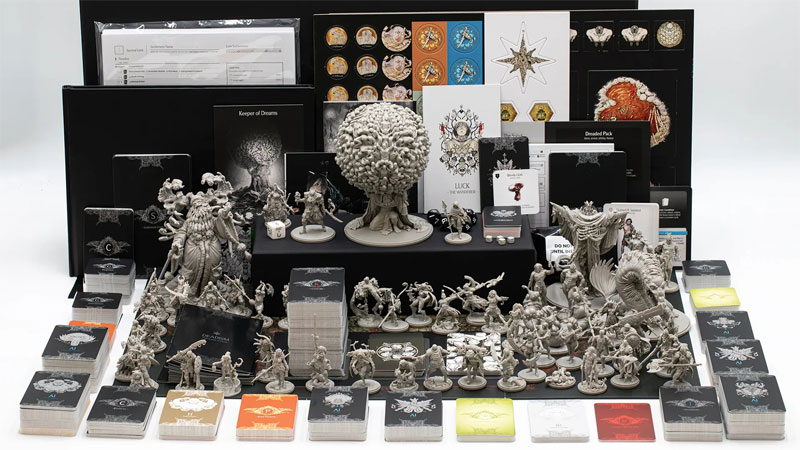
Campaign result: $12,393,139 from 19,264 backers
Kingdom Death: Monster 1.5 raised more than $12.3 million from fewer than 20,000 backers.
Compared with a mass-market card game, this campaign followed a very different strategy. It targeted a dedicated audience willing to pay for an ambitious, premium experience featuring detailed miniatures, campaign gameplay, settlement development, and a highly distinctive dark-fantasy identity.
The funding-to-backer ratio also suggests an important commercial lesson: Kickstarter success does not always require the largest possible audience. A specialized product with strong perceived value can generate exceptional results from a smaller, highly committed community.
The lesson for creators
Premium positioning must be visible in every detail:
- Miniature sculpting and molding
- Illustration and graphic design
- Card and board materials
- Surface finishes
- Custom inserts
- Box construction
- Consistency across expansions
A premium price creates premium expectations. Beautiful campaign artwork may attract a pledge, but the manufactured product must justify it when the backer opens the box.
This is where design-for-manufacturing becomes critical. An experienced production partner can help determine whether a miniature should be produced as one piece or several, whether a special finish will add meaningful value, and how to achieve a premium appearance without creating unnecessary production risk.
4. Marvel Zombies
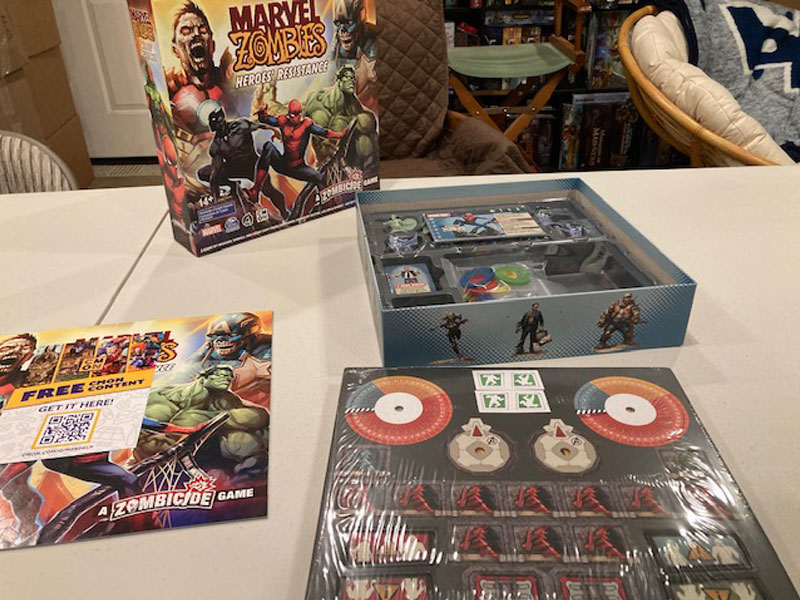
Campaign result: $9,032,583 from 28,974 backers
Marvel Zombies – A Zombicide game combined two things audiences already understood: the Marvel universe and the established Zombicide game system. It raised more than $9 million in only 16 days.
The campaign offered recognizable characters, dramatic miniatures, abundant content, and a novel creative twist: players could experience the Marvel universe after its heroes had become zombies.
The lesson for creators
Licensed intellectual property can attract attention, but recognition alone is not enough. The adaptation must give fans a compelling new way to experience that world.
When a campaign includes a large number of miniatures, expansions, and exclusive components, production planning becomes especially important. Every stretch goal adds work: tooling, approvals, sampling, quality control, packing instructions, carton calculations, and inventory coordination.
Stretch goals should therefore be designed with manufacturing consequences in mind—not added simply because the funding total has increased.
5. Exploding Kittens
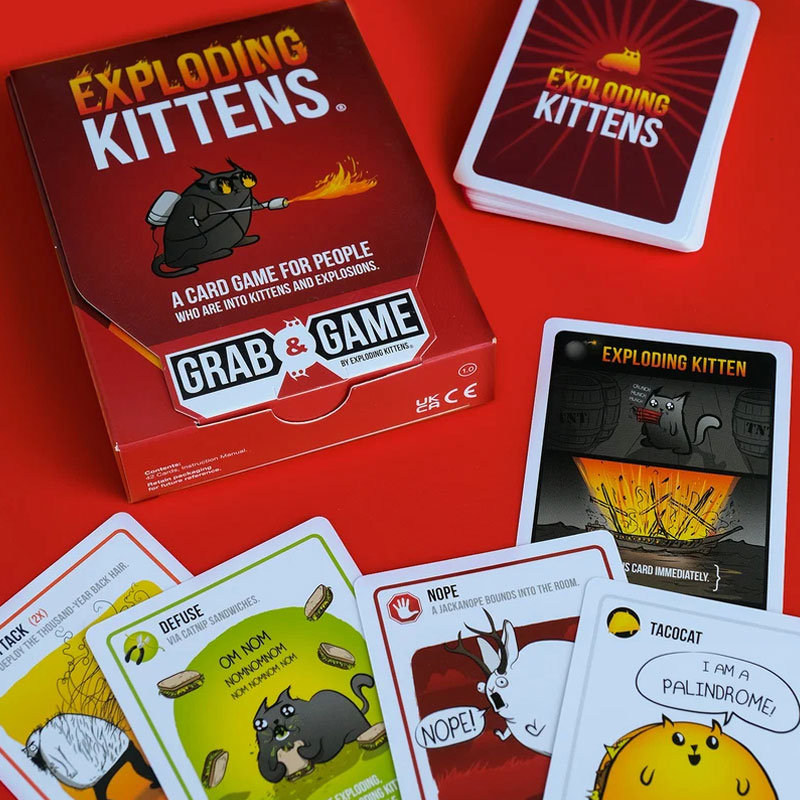
Campaign result: more than $8.7 million from 219,382 backers
Exploding Kittens remains one of crowdfunding’s most recognizable card-game success stories. Its pitch was simple, humorous, and immediately understandable: a card game involving kittens, explosions, laser beams, and goats.
More than 219,000 people backed the project, pledging over $8.7 million.
The project benefited from the established audience and distinctive visual style of The Oatmeal, but its appeal went beyond name recognition. The concept was easy to explain, the artwork was highly shareable, and the product felt accessible even to people who did not consider themselves serious board gamers.
The creators also focused on community. Elan Lee later emphasized the close relationship between campaign participation and backer activity, describing community creation—not simply selling—as a central part of the project’s success.
The lesson for creators
If a potential customer cannot understand the game quickly, the campaign may lose them before they reach the reward tiers.
A strong tabletop product should communicate:
- Who the game is for
- What players do
- Why the experience is fun
- How long it takes to learn and play
- What makes it visually or mechanically memorable
Exploding Kittens also demonstrates that a successful game does not need hundreds of components. A focused card game with memorable art, a polished package, and dependable print quality can reach a much broader audience than a complicated product.
For card-game creators, manufacturing details still matter: card stock, black or blue core, finish, cutting accuracy, color consistency, packaging, and shrink-wrapping all influence how professional the finished game feels.
What These Campaigns Have in Common
These five games are very different, but their success reveals several shared principles.
- First, each campaign presented a clear identity. Backers immediately understood whether they were buying a humorous party game, an enormous campaign adventure, a premium hobby product, or a collectible licensed experience.
- Second, they gave supporters confidence. That confidence came from an existing community, a proven game system, recognizable creators, strong prototypes, or convincing demonstrations of the product.
- Third, they treated the physical object as part of the experience. Artwork, miniatures, cards, inserts, packaging, and component organization were not afterthoughts. They were part of the value proposition.
- Finally, they understood that crowdfunding success creates operational responsibility. Thousands of pledges mean thousands of products must be manufactured consistently and delivered as promised.
Great Campaigns Need Production Planning Before Launch
One of the most common mistakes made by first-time creators is waiting until after funding to think seriously about manufacturing.
Before launching, creators should already understand:
- The approximate unit cost at several order quantities
- Tooling and setup costs
- Prototype and approval timelines
- Component dimensions and material options
- Box size and estimated shipping weight
- Assembly and packing requirements
- Quality-control standards
- Production lead time
- The cost impact of every stretch goal
A production-ready prototype also makes the campaign itself stronger. It allows creators to photograph a real product, send review copies to influencers, verify gameplay ergonomics, and demonstrate to backers that the project is more than a collection of digital renderings.